




The internet has opened the door to countless opportunities for young writers. From global contests to niche literary platforms, online creative writing competitions now make it possible for students to share their voices, build confidence, and gain recognition from anywhere in the world.
For many learners, especially those who enjoy storytelling, poetry, or journaling, participating in writing competitions can be both motivating and deeply rewarding. This guide explores the benefits, types of opportunities available, and how to help children get started.
Before we start
-
Online creative writing competitions give children meaningful reasons to write beyond school tasks.
-
Different formats, such as stories, poetry, essays, and prompts, help children explore their strengths.
-
Regular participation supports vocabulary growth, organisation of ideas, and stronger writing habits.
-
A calm, supportive approach from parents helps children stay motivated and confident.
-
Writing opportunities can strengthen academic skills like comprehension and critical thinking.
-
Structured writing programs and guided practice sessions can further nurture confident young writers.
Why Online Creative Writing Competitions Matter
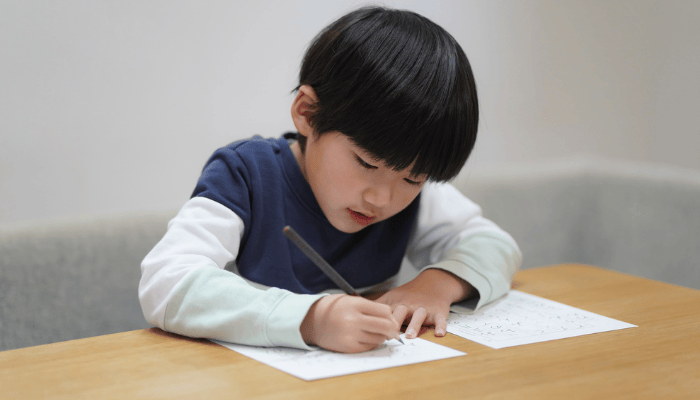
Online creative writing competitions do more than offer prizes or certificates. They give young writers a meaningful purpose for writing, an authentic audience, and a sense that their voice matters. For many students, especially those who enjoy storytelling or struggle with confidence, these opportunities can be a powerful motivator.
When approached positively, competitions help children grow not just as writers, but as thinkers and communicators.
Key reasons these competitions are valuable
-
Encourage regular writing practice: Deadlines and prompts give students a reason to write consistently, which naturally strengthens skills over time.
-
Build confidence in self-expression: Sharing work beyond the classroom helps children feel that their ideas are worth hearing.
-
Improve editing and revision skills: Preparing a piece for submission teaches students to review, refine, and take pride in their work.
-
Develop creativity and imagination: Prompts often push students to explore new ideas, genres, and perspectives.
-
Teach resilience and healthy feedback: Not every entry will win, but learning to accept outcomes calmly builds emotional maturity.
-
Provide recognition and motivation: Certificates, publications, or even simple acknowledgement can be deeply motivating for young writers.
-
Support academic growth: Stronger writing skills contribute to better performance in reading, comprehension, and communication across subjects.
When children see writing as a meaningful outlet rather than just a school task, they are far more likely to stay engaged and continue developing their skills.
Types of Online Creative Writing Competitions
Online creative writing competitions come in many formats, allowing students to explore different styles of expression. This variety is important because not every child enjoys the same kind of writing. Some thrive in storytelling, others in poetry, while some prefer sharing opinions or short ideas.
Understanding the different types helps parents and students choose competitions that match their interests and strengths.
1. Short Story Competitions
These competitions invite students to submit original stories, often based on a theme, prompt, or open topic. They support creativity, structure, and storytelling skills.
How to use it:
-
Encourage students to plan their story before writing
-
Focus on a clear beginning, middle, and end
-
Revise for clarity and strong character development
-
Read other stories in the genre for inspiration
Best for:
-
Students who enjoy imaginative writing
-
Children who like creating characters and plots
-
Learners developing narrative structure
2. Poetry Competitions
Poetry contests focus on expressive language, emotions, and imagery. They allow students to experiment with rhythm, tone, and personal voice.
How to use it:
-
Encourage free expression rather than perfection
-
Read different types of poems for ideas
-
Focus on powerful word choice and imagery
-
Support multiple drafts and reflection
Best for:
-
Emotionally expressive learners
-
Students who enjoy creative language
-
Children who prefer shorter writing formats



3. Essay and Opinion Writing Competitions
These competitions ask students to write about real-world topics, social issues, or personal perspectives. They build critical thinking and structured argument skills.
How to use it:
-
Help students research the topic first
-
Teach a clear introduction, body, and conclusion structure
-
Encourage evidence to support opinions
-
Practise editing for clarity and tone
Best for:
-
Older students and teens
-
Learners who enjoy debate and discussion
-
Children preparing for academic writing
4. Flash Fiction Challenges
Flash fiction competitions require very short stories, often under 300–500 words. They help students write concisely while still being creative.
How to use it:
-
Focus on one strong idea or moment
-
Practise removing unnecessary words
-
Encourage strong openings and endings
-
Use these as regular writing warm-ups
Best for:
-
Students who feel overwhelmed by long writing tasks
-
Learners developing editing skills
-
Children who enjoy quick creative challenges
5. Prompt-Based Writing Contests
These competitions provide a specific prompt (sentence, image, or theme) that students must build their writing around.
How to use it:
-
Discuss different ways the prompt could be interpreted
-
Brainstorm ideas before writing
-
Encourage originality rather than copying common themes
-
Use prompts regularly for practice
Best for:
-
Students who struggle with open-ended writing
-
Learners who need structure to get started
-
Children are developing idea-generation skills
6. Illustrated Writing or Comic Competitions
Some contests invite students to combine writing with drawings, comics, or visual storytelling.
How to use it:
-
Encourage students to plan storyboards
-
Use drawings to support understanding of the plot
-
Focus on both visuals and clear written dialogue
-
Celebrate creativity over artistic perfection
Best for:
-
Visual learners
-
Younger children
-
Students who enjoy art alongside writing
Choosing the right type of competition helps ensure the experience feels motivating rather than stressful.
Also Read: When Do Kids Learn to Write and How You Can Support Their Progress
6 Popular Online Creative Writing Competition Platforms
There are many reputable platforms that offer students the chance to enter online creative writing competitions. These platforms vary in style, age range, and format, but all provide meaningful opportunities for young writers to practise their skills and gain recognition.
Before joining any platform, parents and students should review age requirements, privacy settings, and submission guidelines.
(Competition availability and submission rules may change throughout the year, so it’s helpful to check each platform’s official website for current details.)
|
Platform |
Age Group |
What It Offers |
Cost |
|
Write4Fun |
Ages 5–12 |
Australian-based writing competitions for poems and short stories with certificates and prizes |
Entry fees apply |
|
Storybird Challenges |
Ages 8–16 |
Prompt-based writing challenges using visual artwork for inspiration |
Free & paid options |
|
NaNoWriMo Young Writers Program |
Ages 8–18 |
Fun writing challenges, goal setting, badges, and classroom-friendly resources |
Fully free |
|
Young Writers |
Ages 5–18 |
Regular themed competitions for short stories and poetry aimed at school students |
Entry fees vary |
|
StoryJumper Writing Contests |
Elementary & middle school students |
Story creation competitions with book-building tools |
Free to join |
|
KidPub Writing Contests |
Younger writers |
Writing contests and publishing opportunities designed specifically for kids |
Free & paid options |
These platforms offer different experiences. Some focus on formal competition, while others emphasise creativity, community, and regular practice.
How Parents Can Support Participation?

Parents play an important role in helping children benefit from online creative writing competitions. The experience should feel encouraging and enjoyable, not pressured or competitive. With the right support, children are more likely to stay motivated and grow in confidence as writers.
A calm, positive approach helps children see writing as a form of expression rather than just a task to complete.
Practical ways parents can support
-
Encourage choice of topics: Let children write about ideas that genuinely interest them to keep motivation high.
-
Set realistic expectations: Emphasise learning and effort rather than winning prizes.
-
Support planning and brainstorming: Help children organise their ideas before writing without taking over the work.
-
Offer gentle proofreading: Focus on clarity and small improvements while keeping the child’s voice intact.
-
Celebrate effort and progress: Acknowledge time spent writing and improvements made, not just outcomes.
-
Create regular writing time: Short, consistent writing routines help build stronger habits.
-
Respect the child’s creative voice: Avoid over-editing or rewriting their work, which can reduce confidence.
When children feel supported rather than judged, writing competitions can become a powerful tool for growth and enjoyment.
Also Read: Active Parental Involvement in a Child's Education
How Writing Opportunities Support Academic Growth?
Participating in online creative writing competitions supports much more than creativity. It strengthens core academic skills that benefit students across subjects and year levels. Regular writing practice helps children become clearer thinkers, stronger communicators, and more confident learners.
Academic skills strengthened through writing opportunities
-
Improved reading comprehension: Writing regularly helps students understand sentence structure, vocabulary, and meaning more clearly when they read.
-
Stronger vocabulary and grammar: Experimenting with words and sentence patterns builds language skills naturally over time.
-
Better organisation of ideas: Planning stories and essays teaches students how to structure thoughts logically.
-
Enhanced critical thinking: Writing encourages students to analyse topics, form opinions, and express ideas clearly.
-
Greater attention to detail: Revising and editing work builds focus and accuracy.
-
Increased confidence in communication: Sharing writing publicly helps students feel more comfortable expressing ideas in both written and spoken form.
These skills extend beyond English and support success in subjects such as humanities, science, and even problem-solving tasks in mathematics.

How FunFox Writers Club Supports Young Writers

Supporting a child’s writing journey can be challenging to sustain consistently at home or in the classroom. Many children need regular structure, gentle encouragement, and a safe space where their ideas are respected and mistakes are part of learning.
FunFox Writers Club is designed to meet these needs. It offers a supportive environment where writing feels enjoyable, creativity is nurtured, and confidence grows through meaningful practice.
How the program supports young writers
-
Small groups for personalised attention: Small groups for personalised attention: Teachers can support every student, offer individual guidance, and ensure every voice is heard.
-
Teachers trained to support developing writers: Educators follow the FunFox Way, which focuses on confidence-building, encouragement, and constructive guidance rather than pressure or criticism.
-
Engaging, creative writing activities: Lessons include storytelling, prompts, word play, and interactive exercises that make writing enjoyable while strengthening key skills.
-
Consistent weekly routine: One-hour live sessions each week provide structure and regular practice, helping children build lasting writing habits.
-
A safe, encouraging online community: Children share ideas, listen to peers, and learn that their thoughts matter. This sense of belonging often increases confidence and willingness to take creative risks.
For many families, Writers Club becomes more than a class. It becomes a place where children begin to see themselves as real writers.
Join FunFox Writers Club with a free trial session and support your child’s writing journey.
FAQs
1. What age group is FunFox Writers Club designed for?
FunFox Writers Club is suitable for children who enjoy writing or want to build confidence in storytelling, typically for students in Grades 2–6.
2. Does my child need to be a strong writer to join?
No. The program supports both confident writers and children who feel unsure about writing. Sessions are designed to build skills gradually and without pressure.
3. What happens during a Writers Club session?
Sessions include creative prompts, storytelling activities, discussion, sharing ideas, and gentle guidance from teachers to help children develop their writing.
4. How large are the groups?
Each session includes a small group of up to six students, allowing every child to receive attention and feel comfortable sharing their work.
5. How does Writers Club help with school writing?
Regular practice improves vocabulary, structure, confidence, and idea development, which supports stronger performance in school writing tasks.