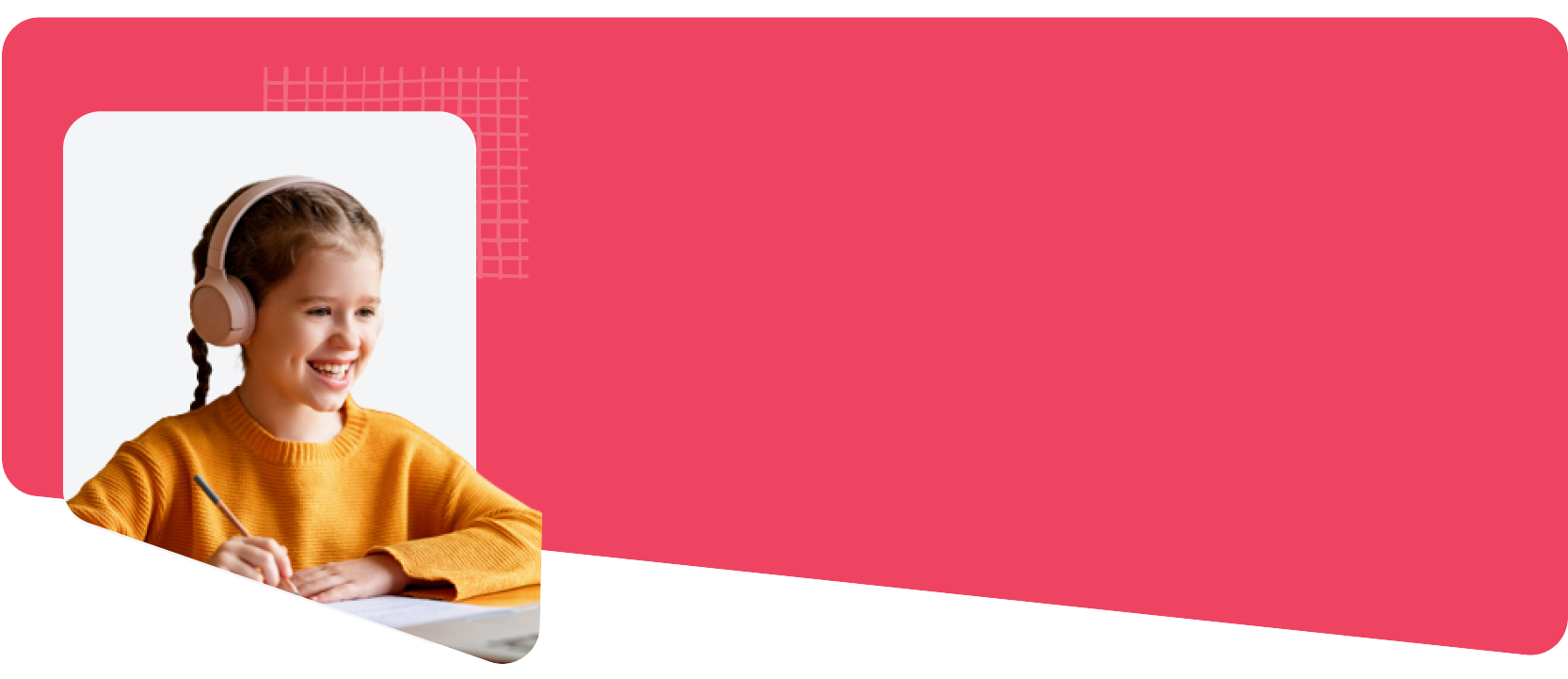




Home schooling has been around for a long time, but Home Schooling International is changing the way families think about education. With online tutoring programs that can be accessed from anywhere in the world, parents now have a flexible, personalized solution to their children's education, no matter where they live or how often they travel.
For parents, it's about finding an educational experience that truly works for their child's learning style. At the same time, teachers can use these programs to supplement classroom education and make sure students are building strong foundational skills.
This blog is all about helping you understand how international home schooling works, what benefits it offers, and whether it's the right fit for your child. We'll cover practical details, from the advantages of flexible learning to the legal requirements that come with homeschooling internationally. You'll also learn about the unique opportunities available to international students, from accredited curricula to social activities and language support.
Key Takeaways
-
Home schooling international gives your child the flexibility to learn at their own pace, no matter where you live or travel, with access to accredited global curricula like the Australian and U.S. systems.
-
While challenges like time zone differences and technology access exist, solutions like asynchronous lessons and offline resources make sure your child's education isn't disrupted.
-
The affordability of international home schooling often beats the cost of private or international schools, saving money on uniforms, transport, and extracurricular fees.
-
Dual certification and customized learning options provide your child with qualifications that are recognized globally, preparing them for a variety of educational and career paths.
-
Opportunities for virtual social clubs, group projects, and local extracurricular activities guarantee students maintain social connections and develop critical soft skills.
What Is International Home Schooling?

International home schooling is exactly what it sounds like - education that takes place at home but is accessible globally, offering a range of online programs that cater to students no matter where they live. In many ways, it's the best of both worlds: the personalized attention of home schooling combined with the structure and resources of an accredited, internationally recognized curriculum.
So, what makes international home schooling so appealing? Here are a few reasons why families are choosing this route for their children:
-
Global Access to Quality Education: Whether you're in Australia, Asia, Europe, or the Americas, international home schooling programs bring high-quality education directly to your door without being limited by geography.
-
Flexible Learning Schedule: The beauty of homeschooling is the ability to work around your family's schedule. If you're traveling, living abroad, or want to avoid early mornings and long commutes, online tutoring allows for flexible learning that adapts to your needs.
-
Curriculum Choice and Customization: With access to multiple curricula, parents can select the one that best fits their child's educational needs. Plus, many programs allow for easy customization, so your child can focus on subjects they find challenging or exciting.
-
Affordable: While traditional schooling often comes with a range of hidden fees (transport, uniforms, after-school activities), homeschooling offers a more predictable cost structure. Many programs include everything, lessons, support, and materials, at a flat fee.
-
Supportive Learning Environment: Unlike traditional classrooms, online tutoring provides one-on-one attention, where teachers can focus on a student's individual learning style and pace. This personalized approach is particularly beneficial for students who may struggle in a large classroom setting or have unique learning needs.
In a world where education is more than just textbooks and exams, it's about finding the right tools and structure to help kids thrive.
Now that we understand the basics, let’s understand the core benefits that make this option an ideal choice for families around the world.
Also Read: How to Choose the Best Homeschooling Program in Australia
The Key Benefits of International Home Schooling
Choosing home schooling international brings a range of benefits that can make a big difference in your child's education. Here's why many families are embracing this option:
1. Personalized Learning at Its Best
-
Every child learns differently, and international homeschooling allows you to adjust the pace and style of learning based on your child's needs.
For example, if your child finds specific subjects difficult, online tutors can offer one-on-one support that would be impossible in a traditional classroom with 30+ students.



2. Flexibility for Families Who Travel
-
One of the biggest perks of international homeschooling is its flexibility. If your family travels for work, leisure, or just loves to explore, your child's education can go with you.
No more worrying about missing school or catching up on lessons. Your child can learn from anywhere, whether it's a new city, country, or even just a different time zone.
3. Global Access to Quality Curricula
-
Whether you're in Australia or across the globe, you can access high-quality, accredited curricula designed to meet international standards.
For instance, if you move from Australia to the US, your child can continue their education using a curriculum that's recognized internationally, so there's no need for major adjustments when transitioning between schools.
4. Support When You Need It
-
One of the challenges of traditional schooling is the lack of individualized attention. In international homeschooling, your child has access to dedicated teachers who are there to help when they need it.
Imagine your child struggling with reading comprehension. An online tutor can offer weekly sessions to work on this specific challenge, building their confidence and skills over time.
5. Extracurriculars and Socializing Aren't Left Behind
-
A common misconception about homeschooling is that kids miss out on social opportunities. But many international homeschooling programs offer group lessons, online clubs, and virtual meetups that allow kids to connect with peers.
Several programs offer virtual clubs where students can participate in activities like drama, coding, or even global citizenship discussions.
While the benefits are clear, it's also important to consider the legal aspects. Let's explore the regulations and compliance requirements.
Also Read: Online Homeschool Story Writing Classes
Legal Considerations and Compliance

When it comes to international homeschooling, one of the first things you need to understand is the legal framework that governs education in your home country and any country you may be living in. Make sure you follow the proper regulations to guarantee your child's education is recognized and valid.
Here's what you should know:
1. Understanding Local Regulations
Home schooling laws vary by country, and sometimes even by region within countries. For example, in Australia, homeschooling is legal, but each state or territory has its own rules regarding registration and curriculum approval. In places like the U.S., homeschooling laws can differ significantly from state to state. Some states require regular testing, while others have more relaxed rules.
-
Example: In Victoria, Australia, parents must register their child with the Department of Education and submit a learning plan that aligns with the Australian Curriculum. In contrast, New South Wales offers more flexibility, where parents can simply demonstrate that the child is receiving a suitable education.
2. Accreditation and Recognition
Many international home schooling programs are accredited, meaning they adhere to recognized educational standards that can be transferred across borders. This is particularly important if you're planning to relocate or want your child's education to be accepted at universities around the world.
-
Programs that follow internationally recognized curricula like the Australian National Curriculum or International Baccalaureate (IB) verify that your child's education is valid regardless of where you live.
3. Documentation and Reporting
In many regions, there's a need for documentation, regular reporting, or standardized exams. In Canada, homeschooling parents in certain provinces must submit regular reports on their child's progress, while in New Zealand, parents are required to submit an annual progress report.
-
Example: If you're in the UK, your child may be required to take national assessments, which is something to plan for if you're homeschooling. These assessments show that home-schooled students are meeting the same academic standards as their peers in traditional schools.
4. Cross-Border Homeschooling
Some countries, like Germany, have stringent homeschooling laws, and it may not be allowed in certain regions. However, countries like the U.S., Australia, and parts of Canada offer a lot of flexibility for families that want to homeschool while abroad.
-
Example: A family moving from Australia to the UK may need to adjust their approach depending on whether they intend to homeschool long-term or just for a short period. Online programs can help streamline this process without disruptions.
With the right approach, your child's education is recognized and supported, no matter where you are.
Now that you know the legal side, let’s talk about one of the most attractive aspects: the flexibility and cost-effectiveness of international home schooling.
Flexibility and Cost Considerations

One of the biggest attractions of international homeschooling is the ability to tailor your child's education to your family's unique needs. Here's why flexibility and cost are driving more families to consider this option:
-
Set Your Own Schedule
Home schooling means you decide when learning happens. If you're a family on the move, this flexibility is invaluable. You won't have to worry about your child falling behind or missing out on lessons when you're traveling.
-
Lower Costs, Fewer Fees
International home schooling can be more affordable than traditional schooling, especially when you factor in uniforms, transport, extracurriculars, and school supplies. Many online programs bundle everything you need—lessons, teacher support, and materials- into a single, flat fee. No surprise costs for school trips or extra tutoring sessions.
-
Affordability for Families Abroad
If you're living overseas, homeschooling internationally can be an affordable option compared to private international schools, which often come with steep tuition and additional costs like enrollment fees or supplies.
-
Pay for What You Need
Not all home schooling programs are created equal, so it's important to choose one that gives you access to the right level of support. While affordable options are tempting, make sure you're getting value, such as certified teachers and well-rounded curricula.
Beyond flexibility, many parents wonder about the long-term value. Here's how dual certification and supplementation can open doors to new opportunities for your child.
Dual Certification and Supplementation
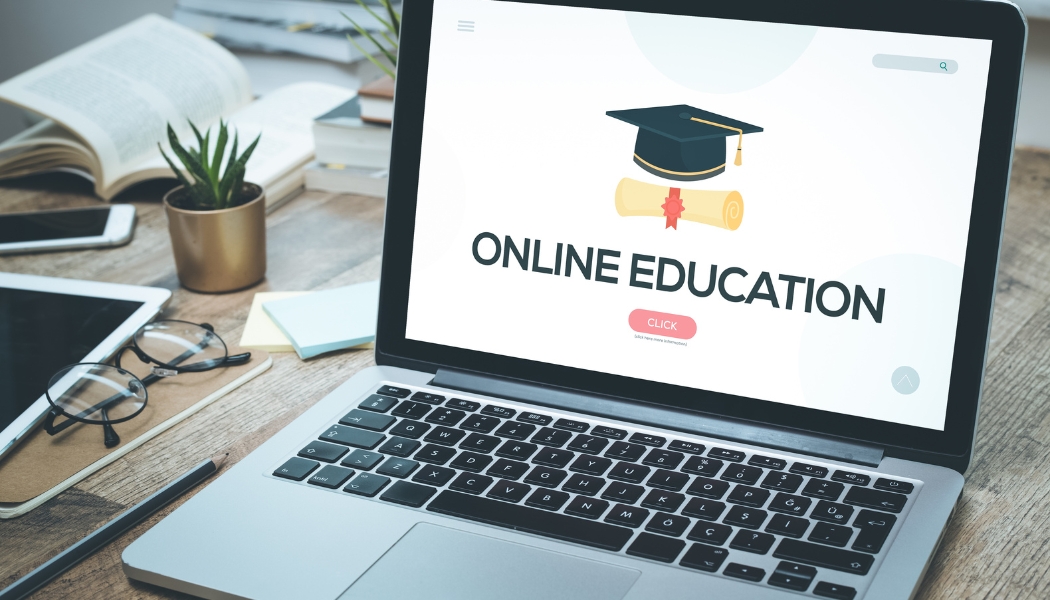
One of the most significant benefits of international home schooling is the opportunity for dual certification. This means your child can earn qualifications that are recognized in multiple countries, giving them a broader range of opportunities.
-
With dual certification, students can earn qualifications that are accepted in both their home country and internationally. For example, a student might pursue both the Australian curriculum and the U.S. high school diploma, preparing them for university in multiple countries.
-
Dual certification also allows for more personalized learning. Students can choose courses based on their interests, whether it's extra subjects in STEM, the arts, or languages, giving them an edge when applying for college or jobs.
-
Home schooling international programs can supplement classroom learning, especially for children who need extra support. Whether it's reinforcing skills they're struggling with or providing a deeper understanding of certain topics, these programs offer targeted resources.
It's not just about getting a diploma; it's about opening doors globally and providing the flexibility to learn in ways that truly suit your child's needs.
Despite all the advantages, there are some challenges to consider. Let's take a look at some of them and see how you can easily overcome them.
Also Read: Recommended Free Homeschooling Resources
Challenges of International Home Schooling
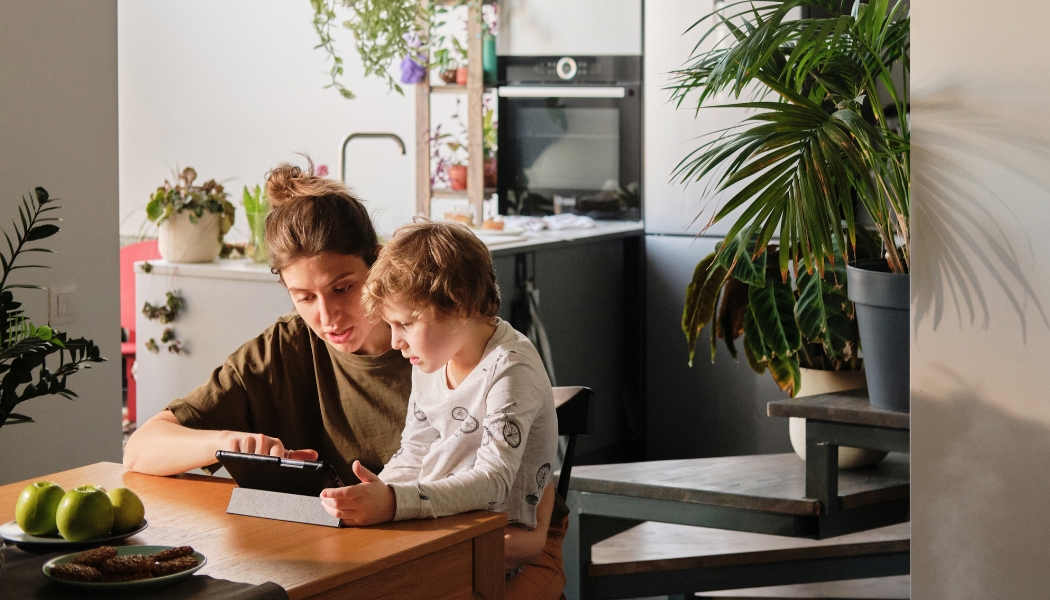
While international homeschooling offers a lot of flexibility and benefits, it comes with its own set of challenges. Let's explore some of the most common hurdles and how you can tackle them.
1. Time Zone Differences
If your child's program is based in another country, time zone differences can make live lessons difficult. Early or late sessions might not be ideal for your family's schedule.
-
Solution: Look for programs that offer flexible learning options. Many online schools provide a combination of live and recorded lessons, enabling your child to learn at their convenience.
2. Access to Technology
In some areas, having reliable internet and the necessary technology for online learning can be a challenge. This can limit the effectiveness of online programs.
-
Solution: Many online learning platforms now offer offline resources like downloadable lessons and worksheets that don't require constant internet access.
3. Keeping Students Engaged
It can be tough to keep kids engaged in an online-only environment, mainly when they're used to the social energy of a classroom. Distractions at home can make it hard for them to stay focused.
-
Solution: Incorporate more interactive activities, like games, quizzes, and group projects. Programs that use virtual classrooms with live interaction can help bring a sense of community.
4. Limited Social Interaction
Home schooling, especially internationally, can feel isolating for children who miss daily face-to-face interactions with classmates.
-
Solution: Encourage participation in virtual social groups, extracurricular activities, or even local community events. Many online programs offer virtual clubs, and students can meet up for field trips or collaborate on group projects.
The challenges are real but manageable. These obstacles can be turned into strengths, creating an environment where your child can thrive.
Conclusion
International home schooling offers a flexible, personalized education that can support your child's growth, no matter where you are in the world. While there are challenges, such as time zone differences, limited tech access, and maintaining student engagement, the benefits far outweigh these hurdles. With the right tools and strategies, international homeschooling can provide your child with a high-quality education that suits their unique needs.
If you're considering homeschooling for your child, look for programs that align with your family's lifestyle, provide opportunities for engagement, and support your child's educational journey in a way that's both affordable and sustainable.
For additional support and resources to boost your child's academic success, FunFox offers customized online tutoring programs. Our interactive, small-group classes help build vital skills in a fun and supportive environment, and your child receives the attention they need to excel.
Ready to start? Register for a free trial class today and see how our programs can enhance your child's learning experience.
FAQs
1. Is international home schooling suitable for children with special learning needs?
Yes, many international home schooling programs offer personalized learning and extra support, making it an excellent option for children with learning needs. You can work with tutors to adjust the pace and focus on areas where your child needs help.
2. How can I be sure my child's home schooling program is valid internationally?
Choose programs that follow recognized curricula (like the Australian Curriculum or International Baccalaureate) to guarantee your child's education is valid globally and accepted by universities worldwide.
3. How do I handle time zone differences for live classes?
Opt for programs that offer asynchronous lessons or a mix of live and recorded sessions. This lets your child learn at their own pace, without being tied to a specific time zone.
4. Can international homeschooling work if we're constantly moving?
Absolutely! International homeschooling is ideal for traveling families. With online, flexible schedules and offline learning options, your child can continue their education no matter where they go.
5. Is international home schooling more affordable than private school?
Yes, international homeschooling is often more affordable. With no extra fees for transportation, uniforms, or school supplies, it provides a high-quality education at a fraction of the cost of private international schools.