




We all want our kids to dive into books with excitement, but many times, reading can feel more like hard work than fun. It’s normal for children to resist picking up a book now and then, and this can be frustrating for both kids and parents.
Understanding why this happens is the first step to helping. If your child is just starting or needs a little extra encouragement, creating a positive and inviting reading space can make a big difference in turning reading into a habit they enjoy.
In this blog, you’ll find friendly tips and practical advice to make reading a joyful habit, at home or in the classroom. Ready to turn reading into an adventure your child loves?
Key Takeaways
-
Let your kid choose books about what they love. Reading is way more fun when it’s about their favorite stuff!
-
Set up a cozy little reading spot where they can chill and get lost in stories without distractions.
-
Break reading into bite-sized chunks and celebrate every little win to keep them excited and proud.
-
Make reading a team effort. Try family reading nights, book clubs, or even storytime with the pet!
-
Mix it up with audiobooks and tie stories to real-life adventures to keep things fresh and exciting!
Choose Reading Material That Matches Your Child’s Interests
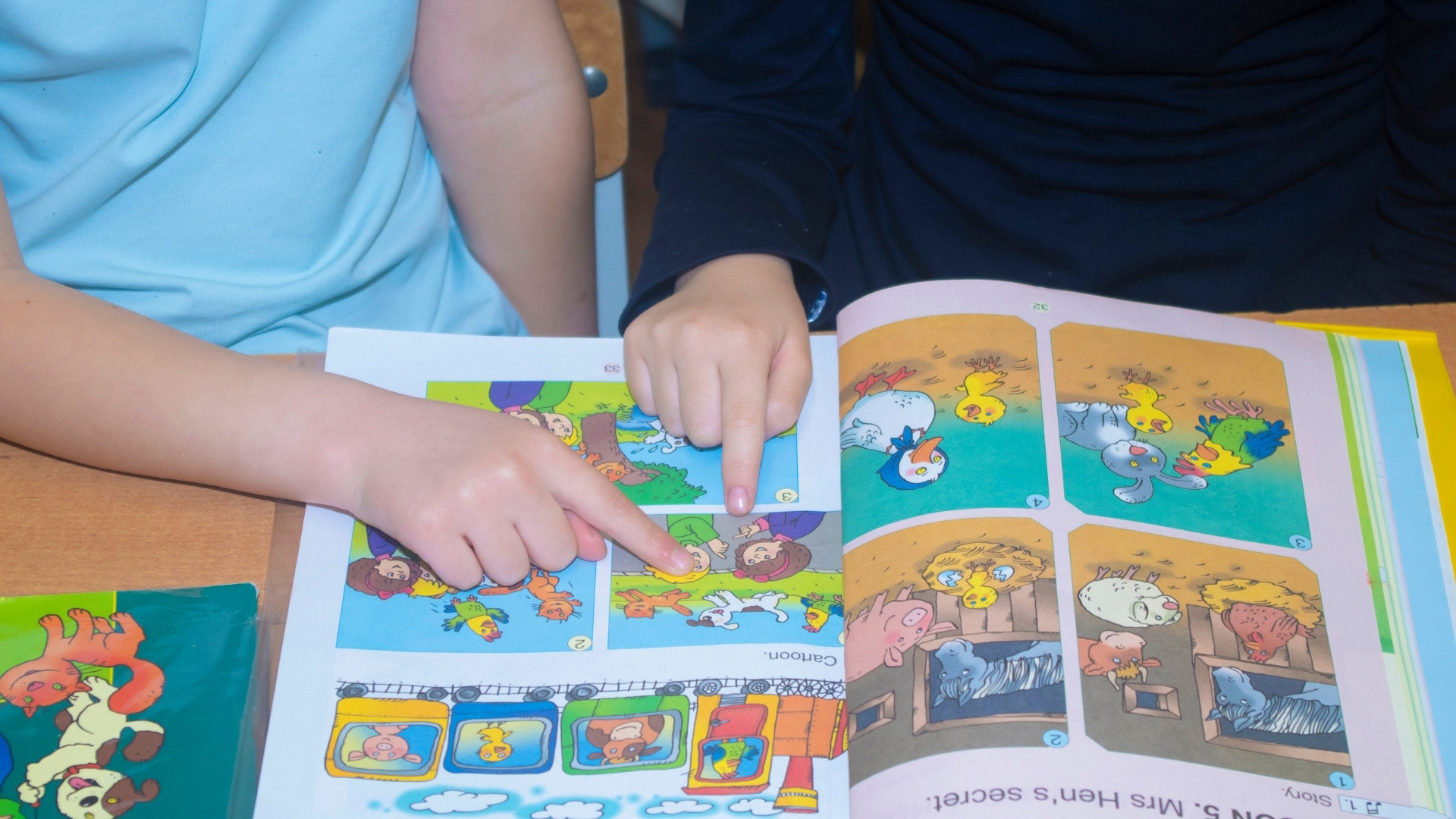
Kids get way more into reading when the stories are about stuff they really like. Maybe they’re into princesses and princes, magical kingdoms, or cool tales about brave and kind heroes. Whether it’s sports, animals, or space, books about their favorite things make for truly enjoyable reading and keep them wanting to read more.
Personal interests strongly motivate reading: about 38% of children and young people are more likely to read if the material relates to a favorite film or hobby, while 26.6% value the freedom to choose what to read.
Why it helps:
-
Reading time feels fun and exciting.
-
They learn new words and understand the story better because it’s about something they know.
-
They’ll want to grab a book on their own just to see what happens next.
How to make it happen:
-
Pay attention to what your child loves and find books on those topics.
-
Visit the library or check online for a wide range of books and stories.
-
Let your kiddo pick their books because it makes reading feel like their own adventure.
-
Slowly add new topics so they can discover even more cool stuff.
Also Read: How to Improve Your Child's Reading Skills.
Create a Dedicated and Comfortable Reading Space
Giving your child a special, cozy spot just for reading can make a big difference. It becomes their little place to relax and get lost in stories. This kind of space helps kids focus better by cutting out distractions, makes reading feel like a chill and enjoyable time, and encourages them to build a regular reading habit.
Here’s how to create it:
-
Choose a quiet corner that has good lighting. Natural light works best!
-
Add comfy seats like bean bags, cushions, or a small chair that your child likes.
-
Let your child decorate the space with their favorite books, posters, or cozy touches.
-
Keep books and reading materials easily accessible whenever they want to read.



Make Reading Goals Easy and Fun
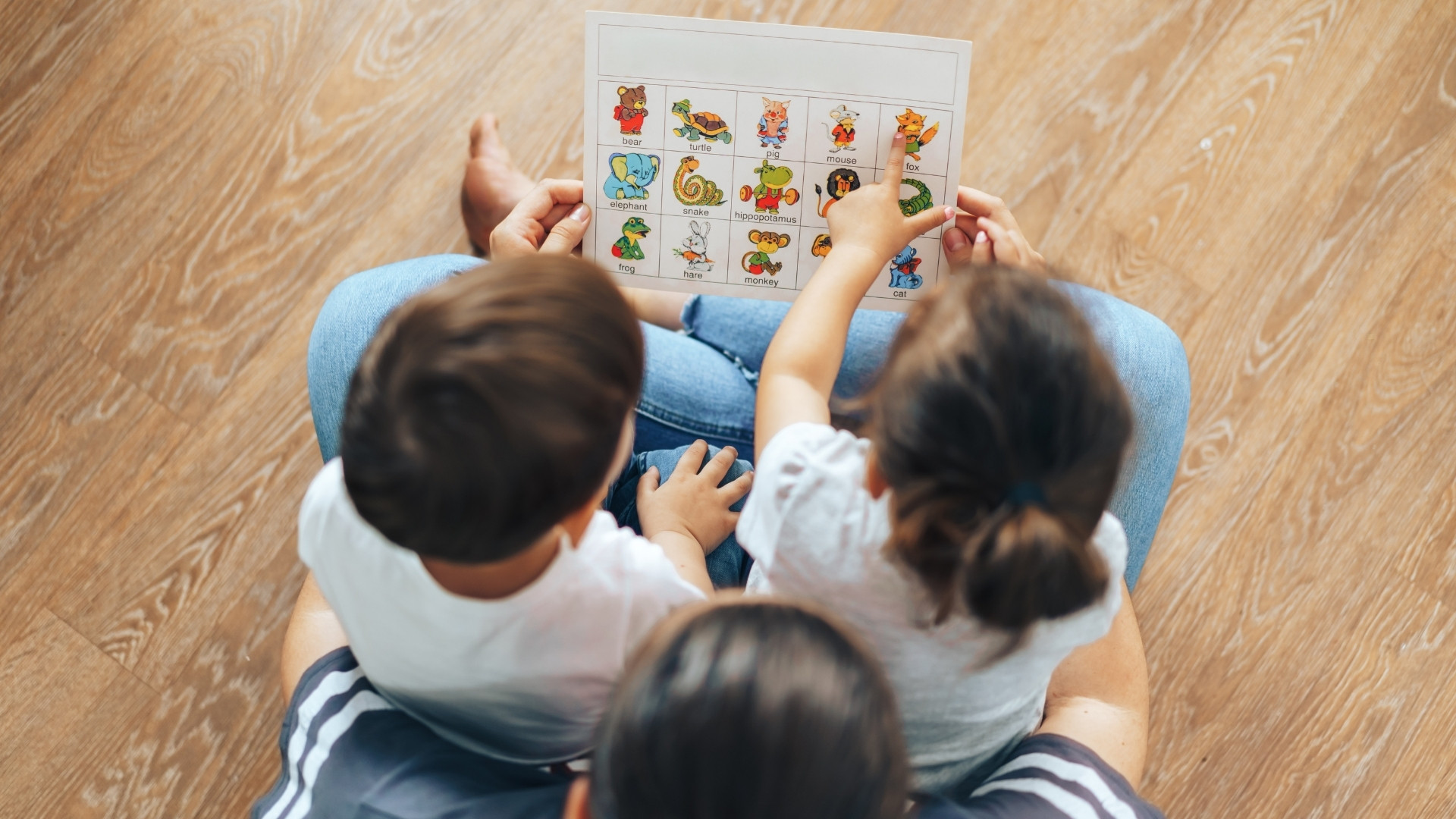
Breaking down reading into small chunks with breaks makes it less scary and helps kids feel proud as they hit small wins. For example, your child might start by reading one short story or a few pages of a favorite book before taking a break.
What this helps with:
-
Kids focus better and enjoy reading more.
-
Builds skills in setting goals and managing time.
-
Reduces frustration and eye strain.
Simple steps to get started:
-
Begin with short reads, such as 5-10 minutes or a chapter from a storybook, and then gradually increase the time.
-
Track progress using timers, sticker charts, or fun apps.
-
Celebrate achievements with praise, stickers, or small rewards like extra playtime.
-
Adjust the goals to fit your kid’s age and reading level. Little ones might start with a few pages, and older kids can aim to finish a whole chapter.
Also Read: Embracing the Art of Short Fiction: A Guide to Reading Stories
Cut Out Distractions, Especially from Screens
With so much technology around, it’s important to keep distractions away when your child is reading. Phones, tablets, and noisy gadgets can break their focus and make it harder to enjoy the story.
When distractions are limited, kids can pay better attention and remember more details. They also become more engaged with the pictures and words, and reading out loud helps build their listening and thinking skills.
To make this happen:
-
Set specific reading times focused on books without screens like tablets or TV.
-
Use quiet modes that limit interruptions during reading.
-
Encourage unplugged activities before and after reading sessions.
-
Show focused reading yourself to set an excellent example for your child.
Now that reading without distractions helps kids focus better, a great way to boost their enjoyment even more is to make reading a social activity.
Make Reading a Social Activity
When kids share books and chat about stories with others, they get more from reading and feel more connected. It’s not just fun; it helps improve their speaking, listening, and perspective-taking skills. Plus, having friends or family join in keeps the excitement going.
Want to make reading way more enjoyable for your child? Try hosting family reading nights where everyone takes turns sharing a story. Or see if there’s a local kids’ book club to join.
Sometimes, having your child tell a story to a pet or friend is enough to spark their excitement. And don’t forget those fun reading games that everyone can enjoy together.
Also read: Reading Comprehension Games and Activities for Students.
Try Audiobooks for a New Way to Enjoy Stories
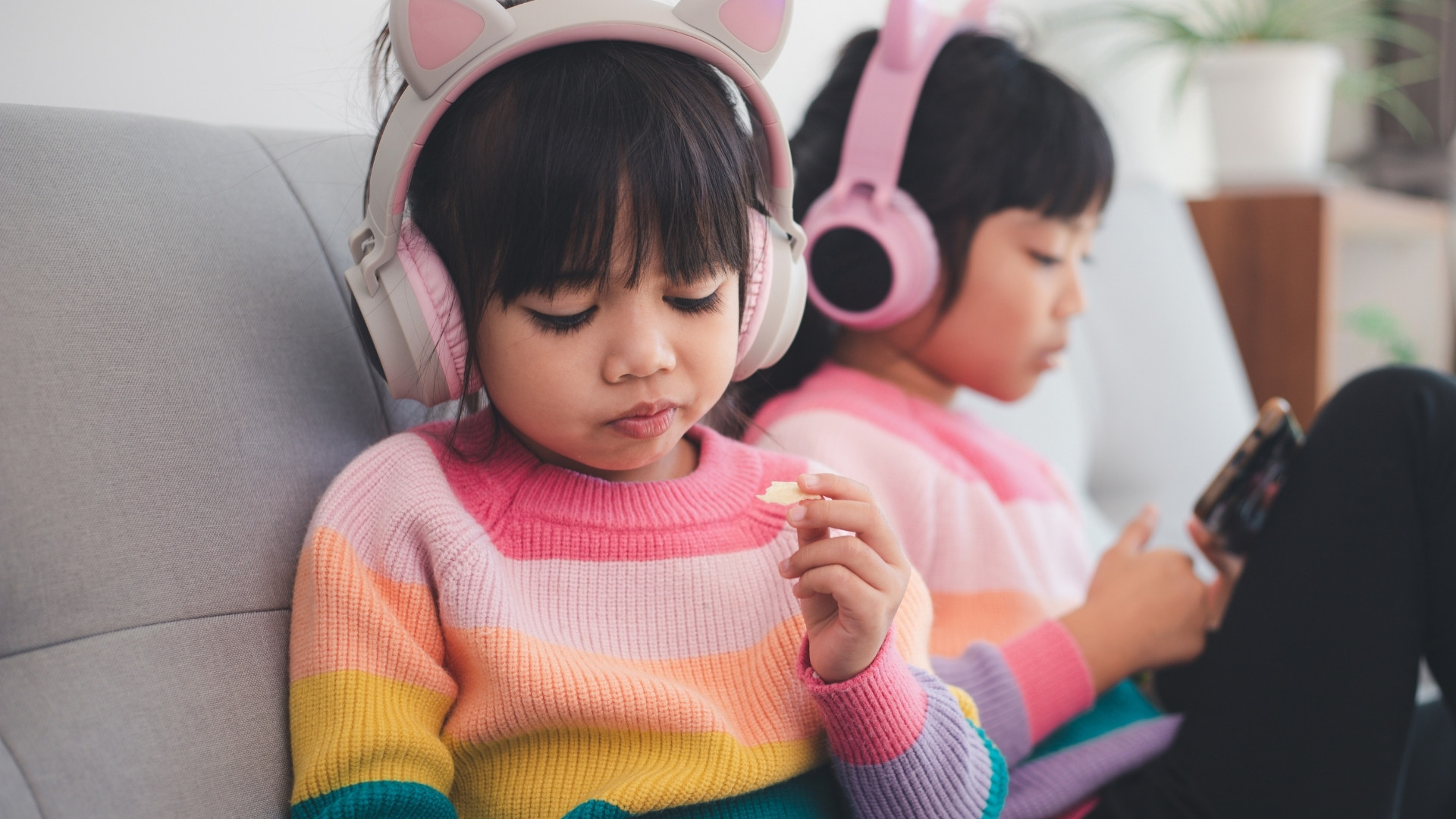
Audiobooks make stories fun, especially if your child prefers listening or finds reading tricky. A good narrator brings fairy tales, adventures, or animal stories to life with lively voices.
Why Audiobooks Are Great
They help improve pronunciation and vocabulary and are helpful for kids who learn differently or struggle with printed books.
How to Use Audiobooks Effectively
Choose audiobooks that match your child's reading level, like magical fairy tales, exciting adventures, or funny animal stories. Listen together and talk about the story. Encourage following along in the printed book. Audiobooks are perfect for car rides or quiet times for extra story fun!
Now, check out Understanding Phonological Awareness and How It Develops.
Make Reading Part of Real Life

Connecting stories to things your child does every day helps make reading feel useful and interesting. When kids see how characters’ adventures or ideas relate to their own world, it helps them understand better and get curious.
Why it’s cool:
-
Helps kids remember new words and ideas
-
Shows how reading fits into real life
-
Makes kids excited to learn more
Easy ways to try it:
-
If you read about animals, plan a trip to the zoo or watch a nature documentary together
-
Bake a recipe that’s in the story or matches something from it
-
Draw pictures or act out fun parts of the story to make it more exciting
-
Talk about how lessons from the story relate to things your child experiences every day
Read Aloud with Expression
Reading out loud in different voices, tones, and facial expressions grabs kids’ attention and makes stories come alive. Using expression shows how to read with feeling, speed, and flow.
Why It’s Awesome
Reading aloud helps kids listen better and use their imagination. Changing your voice and expressions makes stories way more fun and interesting. It also helps them learn new words and connect with what they’re hearing. Plus, it’s a great way to spend quality time together and make reading feel special.
How to Make It Fun
-
Try using different voices for characters or switch your tone based on the mood.
-
Pause at exciting moments or ask, “What do you think will happen next?”
-
Get kids involved by having them say repeated lines or make sound effects
-
Encourage older kids to practice reading aloud to friends or younger siblings
Ask Questions and Make Connections
Getting kids to talk about the story encourages them to think more deeply and understand what they’re reading better. When you ask open-ended questions, it helps them explore characters, plot, and how the story makes them feel.
Why It’s Helpful
This kind of chatting boosts their higher-level thinking and reasoning skills. It also helps them summarize and remember the story more easily. Plus, it strengthens the link between reading and their own experiences.
How to Do It
Try asking questions like, “What do you think will happen next?” or “How would you feel if you were this character?” Encourage your child to connect story events to things from their own life. Using “why” and “how” questions helps them understand even more. Don’t forget to praise their thoughtful answers to build their confidence in sharing opinions.

Set Up a Regular Reading Habit
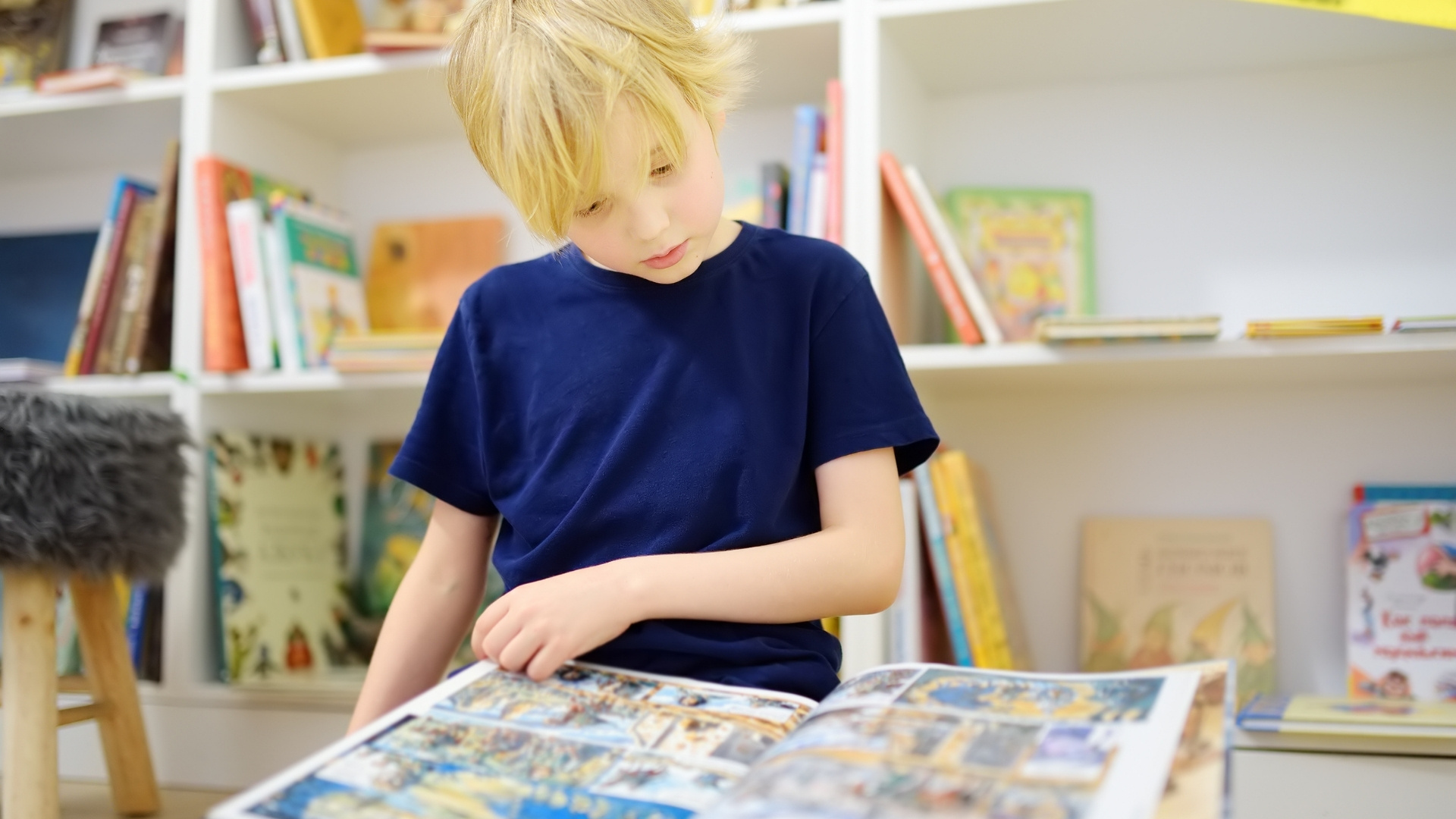
Setting up a regular reading habit helps kids build a routine and makes storytime something they enjoy every day. Choosing a consistent time, like before bed, turns reading into a cozy, relaxing habit that improves their skills.
Don’t stress if things don’t always go as planned. What counts is spending quality time together and making reading a fun part of your routine.
Also Read: Understanding Text and Reading Strategies
Make Reading Time the Most Fun Time
Bringing fun reading habits into your child’s daily life helps them build skills and love for books. Whether it’s listening to stories, connecting to real life, reading with expression, or sticking to a routine, these small steps make reading enjoyable.
At FunFox, our Readers Club offers a safe, fun space for kids to practice reading aloud in small groups. With expert guidance, children improve pacing, understanding, and expression, all while gaining confidence.
Enroll now in the Readers Club to make reading an enjoyable adventure for your child!
FAQs
1. What if my child gets distracted by screens while reading?
Set specific reading times without screens, encourage unplugged activities before and after reading, and show focused reading yourself. Creating a quiet, distraction-free zone helps your child concentrate better.
2. How often should my child read?
Consistency is key. Establish a simple daily reading habit—like right before bed—that fits into your family’s routine. Even 5–10 minutes a day is beneficial and helps make reading a relaxing, enjoyable part of the day.
3. What if my child struggles with reading?
Be patient and supportive. Break reading into smaller parts, use audiobooks, and encourage expression through reading aloud.
4. What are some fun reading games I can try?
Games like “storytelling dice,” “word scavenger hunts,” or acting out parts of a story can make reading interactive and enjoyable.
5. How do I balance reading time with other activities?
Make reading a part of your daily routine by choosing consistent, manageable times like before bed or after homework. Flexibility is key; quality time matters more than quantity.
6. How can I tell if a book is appropriate for my child’s reading level?
Look for books labeled with age or grade recommendations, and pay attention to your child’s interest and comprehension while reading. If they struggle too much, try a simpler book.
7. What if my child gets bored with a book quickly?
It’s okay to switch books! Offering a variety of genres and topics helps keep things interesting and allows your child to explore what truly engages them.
8. Is it beneficial for siblings to read together?
Yes! Reading together can foster sibling bonding, encourage sharing, and improve skills through peer learning and cooperative storytelling.