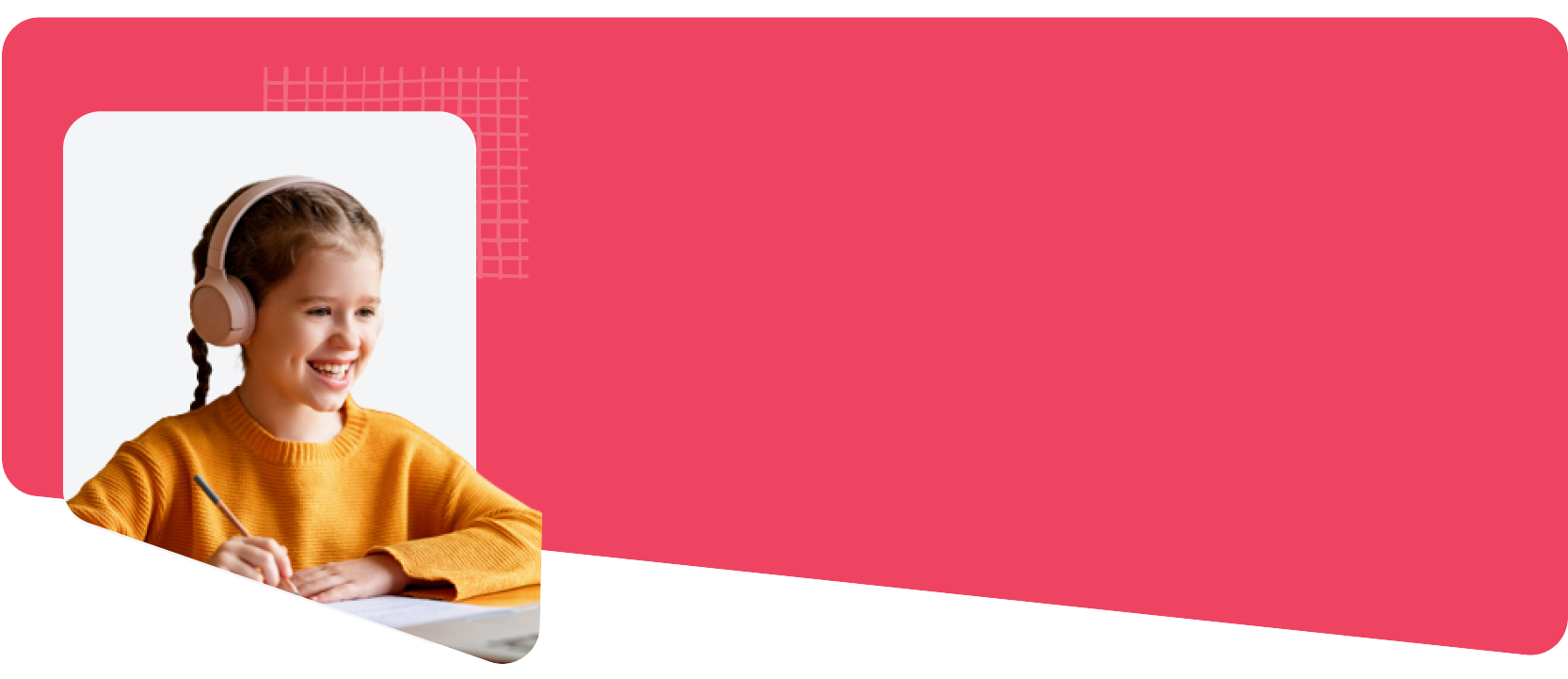




Many parents notice that their Year 1 child can decode words, yet still struggles to understand what they have read. That is because reading fluency, the ability to read accurately and with ease, acts as a bridge between decoding and comprehension in the early years.
Research tracking children’s reading development from Grades 1 to 4 found that initial reading fluency strongly influenced later comprehension growth, underscoring the importance of fluency in early literacy development.
With short, targeted fluency passages, young learners build both confidence and comprehension skills. In this blog, you will find simple 1st grade reading fluency passages and questions designed to strengthen both.
What you need to know:
-
Fluency bridges decoding and understanding. Smooth, accurate reading in Year 1 directly supports better comprehension.
-
Short passages reduce overwhelm. Manageable texts help children practice speed, expression, and meaning without fatigue.
-
Passage design matters. Simple sentences, familiar words, and clear punctuation cues build natural phrasing.
-
Assessment goes beyond correctness. WCPM, expression, pauses, and retelling show true fluency progress.
-
Guided practice builds confidence. Structured support and feedback help children read smoothly with understanding.
What Reading Fluency Looks Like in Year 1
In Grade 1, reading fluency is not about speed. It is about how naturally a child reads while still understanding the text's meaning. At this stage, children are moving from sounding out every word to reading in a way that feels smoother, more confident, and expressive.
You can recognize developing fluency in a Year 1 reader when you notice:
-
Reads familiar words without stopping to sound them out
-
Maintains a steady, comfortable pace while reading aloud
-
Uses expression and pauses at full stops and commas
-
Self-corrects mistakes without being prompted
-
Can explain what the passage was about after reading
When these signs start appearing, it becomes easier to build comprehension through practice. In the next section, we examine why short, well-structured passages often support fluency development far better than longer texts.
Suggested Read: Accuracy vs Fluency in Reading: Key Differences
Why Short Fluency Passages Work Better Than Long Texts

Year 1 readers are still building stamina. Long paragraphs can quickly overwhelm them. Short passages reduce this cognitive load and allow children to practice reading smoothly without feeling pressured or fatigued.
Short fluency passages work better because they:
-
Reduce mental strain so children can focus on reading smoothly
-
Encourage repeated reading without boredom or resistance
-
Build confidence through quick, achievable success
-
Allow focused practice on expression, pauses, and phrasing
-
Make comprehension easier because the text feels manageable
When passages are short, children are more willing to re-read, practice, and improve. However, not every short passage supports fluency development.
Features of a Good Fluency Passage
Not all short passages help children become fluent readers. The passage must be carefully designed to match a Year 1 child’s reading ability, attention span, and vocabulary familiarity.
A good fluency passage includes:
-
Simple Sentence Structure: Sentences should be short and predictable so children can focus on smooth reading rather than decoding complexity.
-
Familiar Vocabulary: Words should largely be recognizable to reduce hesitation and build confidence.
-
Natural Punctuation Cues: Full stops and commas should guide children to pause and read with expression.
-
Repetitive Patterns: Repeated sentence forms help children anticipate phrasing and read more fluidly.
-
Clear Meaning: The passage should tell a small, complete idea that is easy to understand after one read.
-
Opportunities for Expression: Dialogue or descriptive cues allow children to practice reading with feeling.
When these elements come together, even a short passage becomes a powerful tool for building both fluency and comprehension.
Now, let us look at examples that you can start using straight away.
Suggested Read: Engaging Reading Fluency Games for Students



8 Sample Reading Fluency Passages with Questions for Year 1

Each passage below is created to build reading speed, expression, punctuation awareness, and comprehension together.
Use the “What to look for” section as a quick checklist to observe how your child reads, not just whether the words are correct.
Passage 1: A Busy Morning at the Farm
Why this passage helps:
Familiar vocabulary and clear sentence flow help children maintain steady reading speed. Repetition and punctuation cues support phrasing, expression, and comprehension.
Passage:
It was a bright morning on the farm. Millie the lamb woke early and stretched her legs. She saw the cows in the field and heard the rooster crow. Millie walked to the fence and called her friend, Max the goat. Max ran fast to meet her by the big red shed.
Together, they looked for fresh grass to eat. They walked past the pond where ducks swam in circles. Millie stopped to watch the water ripple. Max nibbled on sweet green grass near the gate. Soon, Farmer Sam opened the gate, and the animals began their day with happy bleats and soft munching.
Questions:
-
What did Millie do when she woke up?
-
Who met Millie at the fence?
-
What did they see near the pond?
-
What happened when the gate opened?
What to look for:
35–60 WCPM. Smooth phrasing at commas and full stops. Calm, happy tone. The child should retell the sequence of events clearly.
Helpful Resource: How to Calculate Reading Fluency: Proven Formulas and Examples
Passage 2: The Lost Hat
Why this passage helps:
This passage encourages expressive reading through a small problem and a solution. Dialogue and punctuation guide natural pauses and tone changes.
Passage:
Ray put on her yellow hat before going to school. The wind blew hard as she walked down the path. Suddenly, her hat flew off her head and landed near a bush. “Oh no!” Ray said as she ran after it.
She looked behind the tree and under the bench. Then she saw the hat stuck in the branches. Ray gently pulled it down and placed it back on her head. She smiled and hurried to school before the bell rang.
Questions:
-
What color was Ray's hat?
-
Why did the hat fly away?
-
Where did Ray find the hat?
-
How did Ray feel at the end?
What to look for:
40–55 WCPM. Notice the expression during “Oh no!”. Clear pause in dialogue. The child should show mild worry, then relief.
Passage 3: The Rainy Day
Why this passage helps:
Weather vocabulary and descriptive sentences support expressive reading. Sentence rhythm encourages steady pacing and attention to meaning.
Passage:
Dark clouds filled the sky in the afternoon. Soon, tiny raindrops began to fall. Tony stood by the window and watched the street turn shiny and wet. Cars moved slowly through the puddles.
He put on his boots and raincoat and stepped outside. The rain tapped softly on his hood. Tony splashed in a puddle and laughed. When the rain stopped, he saw a bright rainbow stretching across the sky.
Questions:
-
What did Tony see from the window?
-
What did he wear before going outside?
-
What did Tony do in the puddle?
-
What appeared after the rain stopped?
What to look for:
35–60 WCPM. Gentle, calm tone. Attention to descriptive words. The learner should pause naturally at full stops and explain the sequence.
Passage 4: The Helpful Sister
Why this passage helps:
This passage builds phrasing through actions and emotions. It helps children practice reading with warmth and understanding.
Passage:
Mia was trying to tie her shoelaces before school. Her fingers felt clumsy and slow. She pulled the lace too hard, making a knot. Mia sighed and looked at her shoes.
Her older sister, Tara, sat beside her and smiled. “Let me show you,” Tara said kindly. She made two loops and crossed them over. Mia watched carefully and tried again. This time, she tied her laces all by herself.
Questions:
-
What problem did Mia have?
-
Who helped her?
-
What did Tara show Mia?
-
How did Mia feel at the end?
What to look for:
40–55 WCPM. Softer tone during dialogue. Pause at commas. The child should show understanding of emotions and retell the solution.
Passage 5: The Picnic Lunch
Why this passage helps:
Food words and sequencing support steady pacing and meaning. Commas in lists guide natural pauses and phrasing.
Passage:
Leo and his mum packed a picnic for the park. They placed apples, sandwiches, juice, and biscuits into a blue basket. Leo carried the mat while his mum held the basket. The sun shone brightly as they found a shady tree.
They spread the mat and sat down to eat. Ants tried to crawl near the biscuits, so Leo brushed them away gently. After lunch, they played catch with a soft ball and laughed together.
Questions:
-
What did they pack into the basket?
-
Where did they sit?
-
Why did Leo brush the ants away?
-
What did they do after eating?
What to look for:
35–60 WCPM. Clear pauses at commas in the list. Cheerful tone. A child should recount events in order.
Passage 6: The Library Visit
Why this passage helps:
A quiet setting encourages a controlled pace and a softer expression. Varied sentence length builds phrasing and attention to meaning.
Passage:
Nina walked into the library with her class. Rows of books stood tall on every shelf. She felt excited but stayed quiet as the librarian smiled at them. Nina chose a book with a bright dragon on the cover.
She sat on a beanbag and began to read. The pages turned softly as she followed the story. When the bell rang, Nina carefully placed the book back and lined up with her class.
Questions:
-
Where did Nina go with her class?
-
What was on the book cover?
-
Where did she sit to read?
-
What did she do when the bell rang?
What to look for:
40–55 WCPM. Soft, calm tone. Attention to full stops. The child should describe the setting clearly.
Passage 7: The New Puppy
Why this passage helps:
Action verbs and emotion words support expressive reading. Short sentences help maintain smooth speed.
Passage:
Tammy's family brought home a small brown puppy. The puppy ran across the floor and slipped on the mat. Everyone laughed as it wagged its tiny tail. Tammy gave the puppy a bowl of water.
The puppy licked his hand and followed him around the room. Later, it curled up in a basket and fell asleep. Tammy watched it and smiled with joy.
Questions:
-
What color was the puppy?
-
Why did everyone laugh?
-
What did Tammy give the puppy?
-
Where did the puppy sleep?
What to look for:
35–60 WCPM. Lively tone during action. Pause at full stops. The learner should show happiness in expression.
Passage 8: The Art Class
Why this passage helps:
Creative setting allows expressive phrasing. Lists and actions support natural pauses and rhythm.
Passage:
In art class, Ben took out his paints, brush, and paper. He dipped the brush into blue paint and made a big circle. Then he added yellow lines around it to make a sun.
Next, Ben painted green grass and small red flowers. He held up his picture proudly when the teacher walked by. The teacher smiled and praised his colorful work.
Questions:
-
What did Ben take out first?
-
What did he paint with the color blue?
-
What did he add to the grass?
-
How did the teacher respond?
What to look for:
35–60 WCPM. Pauses at commas in lists. Proud, happy tone. The child should retell the steps in sequence.
These examples show how short passages can actively build fluency, expression, and comprehension together. Next, let us look at common mistakes adults make during fluency practice.
Suggested Read: Top Reading Challenges Faced by Primary School Students
Mistakes to Avoid When Practicing Reading Fluency
When children practice reading at home, the intention is right, but the method can sometimes slow progress.
Table showing common mistakes made and how to avoid them:
|
Common Mistake |
What Happens |
What To Do Instead |
|---|---|---|
|
Focusing only on speed |
Child rushes, ignores punctuation, loses meaning |
Encourage a steady pace with attention to commas and full stops |
|
Correcting every error instantly |
Breaks the flow and reduces confidence |
Let the child finish the sentence, then revisit the word calmly |
|
Using long, difficult texts |
The child becomes tired and frustrated |
Use short, level-appropriate passages for repeated reading |
|
Ignoring expression |
Reading becomes flat and mechanical |
Model how the sentence should sound and ask them to copy |
|
Skipping comprehension |
A child reads words without understanding |
Ask simple retell and meaning questions after reading |
A few small adjustments can make fluency practice far more effective and enjoyable for both parent and child. Tips include:
-
Read the passage once yourself before the child begins
-
Encourage re-reading the same passage to improve smoothness
-
Praise expression, not just correctness
-
Use a timer for one minute to gently track WCPM
-
Ask the child to retell the passage in their own words
This kind of guided, structured practice is exactly how children build true reading fluency over time — something carefully supported in FunFox Readers Club sessions.
Suggested Read: How to Make Reading Fun for Kids: 20 Easy Tips
Strengthen Year 1 Reading Fluency With FunFox Program

FunFox is an Australian online literacy program for young learners. It makes reading and writing engaging, structured, and confidence-building.
Trusted by 5,000+ families across Australia and beyond, FunFox uses small-group sessions and personalized feedback. Its curriculum-aligned approach helps children move from decoding words to reading with a clear understanding.
If you are working on Year 1 reading fluency at home, here is why FunFox Readers Club makes a real difference:
-
Small Groups Of 3–6 Students: Every child reads aloud, receives attention, and practices fluency in every session.
-
Australian-Qualified Teachers: Lessons are guided by educators trained to build speed, expression, and comprehension together.
-
Carefully Designed Reading Material: Passages are structured for pacing, punctuation awareness, and meaning.
-
Weekly Feedback For Parents: You know exactly how your child is progressing in fluency and comprehension.
-
Engaging, Low-Pressure Environment: Children read confidently without fear of constant correction.
As reading fluency improves, children begin forming better sentences and showing interest in storytelling. FunFox Writers Club builds on this progress and shapes it into structured, confident written expression.
Conclusion
When children learn to notice punctuation, read with expression, and retell what they read, comprehension improves naturally. Short, purposeful passages and the right kind of practice make this transition from decoding to understanding much easier.
At FunFox, reading fluency is built through guided small-group sessions, carefully designed material, and consistent feedback that helps children read with confidence. We support young readers in developing the speed, expression, and comprehension skills that last well beyond Year 1.
Help your child read smoothly, clearly, and with understanding. Book a demo class to see how guided fluency practice works.
Frequently Asked Questions
1. How often should a Year 1 child practice reading fluency?
Short daily practice of 10 minutes is more effective than longer, irregular sessions. Consistency helps children build speed, expression, and confidence without feeling overwhelmed.
2. Should my child read the same passage more than once?
Yes. Re-reading the same passage improves smoothness, phrasing, and reading speed. Familiarity allows children to focus on expression and meaning instead of decoding.
3. Is silent reading useful for building fluency?
Silent reading builds comprehension, but reading aloud is essential for developing fluency. You can hear pacing, expression, and where your child may be hesitating.
4. What if my child reads accurately but sounds robotic?
This means they need practice with expression and punctuation cues. Model how the sentence should sound and encourage them to copy your tone and pauses.
5. How do I know if a passage is too difficult for my child?
If your child stops frequently, struggles with many words, or cannot explain the passage after reading, the text may be above their current fluency level.