




Reading is more than just a skill. It's the foundation for a child's academic journey. For kindergarteners, developing strong reading skills early on opens doors to improved comprehension, better communication, and a lifelong love for learning.
But how do you make sure that your child is on the right path to becoming an avid reader? In this blog, we'll dive into effective reading strategies and fun, easy-to-implement activities that can help your child develop essential reading skills in kindergarten.
Whether you're a parent seeking ways to support your child's literacy at home or a teacher looking for new tools to engage your students, this guide will provide you with practical and exciting methods to uplift your child's reading confidence.
Key Takeaways
-
Strong reading skills at this age unlock comprehension, communication, and a lifelong love for learning.
-
Help your child break down words into manageable parts to build the critical thinking needed for fluent reading.
-
Use role-play, props, and fun word games to engage your child and turn reading into an interactive adventure.
-
Don't just read the same book. Use it to create new activities that deepen your child's understanding and boost their confidence.
-
Small milestones and positive reinforcement keep your child motivated and make reading feel like a rewarding experience.
Now that we understand why reading is essential for your child’s future, let’s explore why kindergarten is the perfect time to lay this foundation.
The Importance of Reading in Kindergarten
Kindergarten is where the magic of reading begins. It's not just about recognizing letters; it's about laying the groundwork for a child's ability to think critically, express themselves, and understand the world around them. In these early years, children develop the foundational skills necessary to decode words, expand their vocabulary, and establish connections between sounds and letters.

However, the value of this early experience goes far beyond school.
The act of reading stimulates a child's imagination and strengthens their cognitive development. Every new word they encounter opens up a world of understanding, helping them make sense of their environment and fueling their desire to learn more. The stronger the reading foundation, the easier it will be for them to grasp concepts across all subjects, from math to science to social studies.
Here's how these early skills directly influence your child's overall academic success.
Connection to Academic Success
Think about it: every subject, whether it's history, science, or even art, relies on the ability to understand and engage with text. When children have strong reading skills, they're not only able to read their textbooks but also interpret, question, and connect ideas. Reading opens doors to a broader world, making them better problem solvers and more effective communicators.
But here's the thing: early literacy also affects a child's self-esteem. Kids who feel confident in their reading abilities are more likely to participate in class, take academic risks, and tackle new challenges. They won't shy away from reading comprehension tasks as they get older because they've built up the skills and mindset in their formative years.
Also Read: 5 Simple Steps To Teach Kids To Read
Now, how can we make sure your child is on the right path to reading success? Let's examine proven strategies that can help them establish a solid reading foundation from the outset.
Effective Reading Strategies for Kindergarten
Do you know? Research indicates that 37% of children enter kindergarten without the skills necessary for lifetime learning. Additionally, 50% of children from low-income communities start first grade up to two years behind their peers. These figures highlight the critical need for targeted interventions and support during the kindergarten years to bridge these gaps.
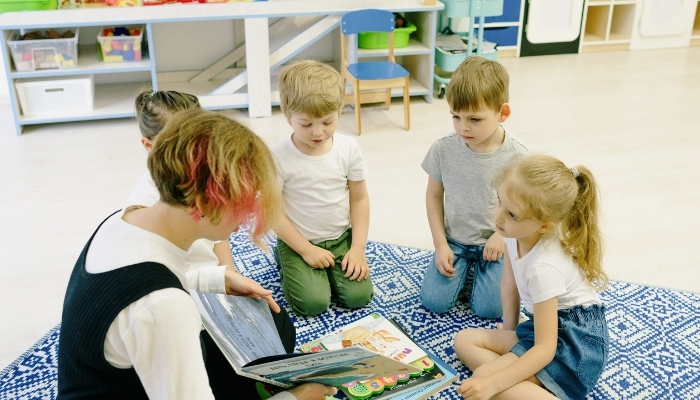
Let's explore some effective reading strategies that will be helpful for kindergarten:
1. Phonics and Sound Recognition:
Phonics is often seen as the first step to reading, but it's more than just memorizing sounds. It's about helping children develop the ability to break down words into smaller, more manageable pieces, making reading feel less overwhelming.
When kindergarteners understand the relationship between letters and sounds, they aren't just learning to pronounce words. They're building the cognitive framework that allows them to read independently.
Why does this matter?
-
Because phonics isn't just about saying the words out loud - it's about thinking critically as they piece together sounds, eventually leading to reading fluency.
-
Engage kids with hands-on activities that make phonics fun. Think about silly sound-matching games (where kids match an animal to its sound) or using letter blocks to form words.
These games are the foundational exercises that encourage long-term reading skills.
2. Interactive Reading:
Kds don't want to sit still for hours, so why should reading be any different? The best readers aren't just those who can read words; they're the ones who can actively engage with the text. Interactive reading is about transforming a simple storytime into a dynamic learning experience.
Instead of just reading the words, encourage children to become a part of the story.
-
Ask them to predict what will happen next. Let them act out parts of the story with their favorite toys or even do a little role-play with you. This hands-on approach turns reading into an exciting adventure, where they are no longer passive listeners but active participants.
-
And it's not just about asking questions; it's about sparking curiosity. Ask, "What do you think the character might do next?" or "What would happen if the story went in a different direction?"
These brief prompts can spark a child's imagination, helping them establish stronger connections to the text and enhance their comprehension skills.
3. Repetition and Routine:
Reading, like any new skill, is built through practice. However, it's not about reading the same thing over and over mindlessly; it's about cultivating comfort through familiarity. When children are exposed to a story repeatedly, they begin to internalize the language, picking up on the rhythm, flow, and even the emotional undertones of the story.
But the beauty of repetition doesn't just lie in re-reading the same book. Use that story as a launchpad for new activities.
-
After reading a book, ask your child to draw scenes from the story or act out their favorite parts. This extra layer of creativity strengthens their understanding of the story and builds a connection to the material in new ways.
-
Daily reading routines also don't have to be time-consuming. It could be a 5-minute reading session before bed or a quick review of sight words on the way to school.
Consistency is key, and making reading a routine doesn't just help them practice; it also helps them develop a lifelong habit. It reinforces the habit of loving stories, setting them up for long-term success.
Also Read: 5 Strategies to Assist Your Year 5 Child Struggling With Reading and Writing
Now that we've explored some core reading strategies, it's time to bring them to life with hands-on activities that make learning to read feel exciting and approachable for young learners.
Quick Activities to Develop Reading Skills in Kindergarten
Reading doesn't have to be confined to a book. Learning through play, exploration, and creativity is just as powerful. In fact, the best way to help children build confidence and fluency in reading is to incorporate activities that allow them to engage with words in a fun and meaningful way.

Let's explore some activities that will transform your child's reading experience into something they eagerly anticipate every day.
1. Story Time with a Twist
Storytime doesn't have to be passive. Imagine you're reading a story together, but instead of just narrating the words, you ask your child to act out parts of the story with you.
-
Use props, puppets, or costumes to bring the characters to life. This is a great way to visualize the narrative and make connections between words and their meanings.
-
For example, if you're reading a book about animals, ask your child to pretend to be a lion or a bunny, using their voice and body to mimic the animals in the story.
This kind of active involvement not only helps with language development but also makes the process feel like a fun, shared experience rather than just a passive activity.
2. Letter and Word Games:
Games are an excellent way to develop reading skills while keeping children engaged and entertained. Incorporating letter and word games into everyday activities helps reinforce essential concepts in a fun and engaging setting.
-
Try a scavenger hunt where your child finds objects that start with a particular letter, or create a game where they build simple words using letter tiles or magnetic letters.
-
You can also try games like Word Bingo or sight word flashcards to help reinforce word recognition and fluency.
These games don't require fancy materials. A set of cards, or even a piece of paper and a marker, can be used to create simple yet highly effective learning games.
3. Reading Aloud and Group Reading:
One of the most effective ways to encourage a love for reading is to read aloud with your child. The key here is expression. When you read with enthusiasm, varying your voice for different characters or events, you help children understand emotion and tone in stories.
-
In a classroom or group setting, group reading can be equally impactful. Have your students take turns reading aloud, or choose a book that allows for shared reading where everyone participates.
-
This helps students improve their fluency, and the group dynamic can promote a sense of community learning. Plus, they can support each other as they encounter new words or tricky passages.
Also Read: Benefits of Reading Aloud for Children
4. Drawing Connections Between Words and Pictures:
You'd be surprised at how much a picture can teach a child about reading. Encouraging children to match words with images helps them make visual connections, which in turn improves their comprehension.
-
For example, ask your child to draw a picture of a scene from the story they just read, or to identify objects in the room that match a word or letter from their book.
-
This activity strengthens the connection between vocabulary and real-world concepts. It also builds their ability to interpret visual cues, which is an important part of literacy development.
Kids start to see that reading isn't just about looking at words on a page, but about connecting those words to the world around them.
Activities are key, but ongoing support is just as crucial. Here are some practical tips for both parents and teachers to help create a positive reading environment at home or in the classroom.
Helpful Tips for Parents and Teachers
While strategies and activities are key to building strong reading skills, it's equally important for parents and teachers to provide ongoing support and guidance. Whether at home or in the classroom, small changes in routine and mindset can make a big impact on a child's progress and enthusiasm for reading.
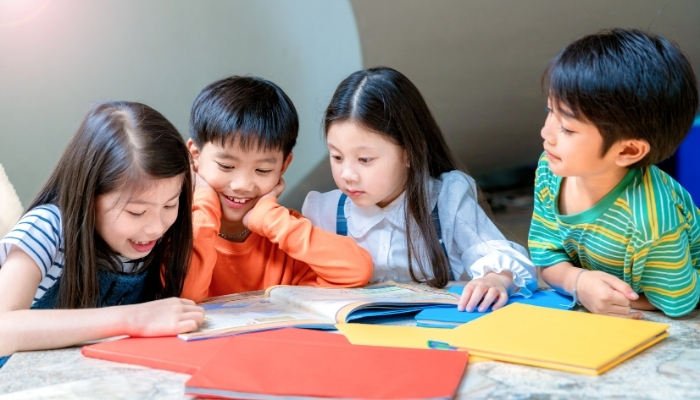
Here are five practical tips to help keep your child engaged, motivated, and on the path to becoming a confident reader:
-
Read Together Daily: Even if it's just for 10 minutes, reading together every day is crucial. The consistency helps establish a routine and builds fluency. Create a special reading time, whether at bedtime or after lunch, that kids can look forward to each day.
-
Incorporate Reading into Daily Tasks: Utilize everyday activities, such as cooking, grocery shopping, or even walking, to practice reading. Read out labels, street signs, or menus to expose children to real-world reading opportunities.
-
Use Positive Reinforcement: Celebrate every milestone, no matter how small. Praise your child's effort and progress to help build their confidence and enthusiasm. Create a reward system where they earn a fun activity or treat after hitting reading goals.
-
Be Patient with Struggling Readers: Not all children progress at the same pace. If a child is struggling, give them extra time, encouragement, and one-on-one support. Break reading into smaller steps and celebrate incremental progress.
-
Encourage Interactive Reading: Rather than simply reading aloud, make it an interactive experience. Ask questions, make predictions, and discuss the story together. The more engaged your child is with the material, the better they'll understand and enjoy it.
Armed with strategies, activities, and tips, you're ready to make reading an enjoyable and impactful part of your child’s life. Let’s wrap up with some final thoughts and an invitation to continue the journey with Funfox’s tutoring.
Conclusion
Early reading development is a crucial foundation for your child's educational journey, and kindergarten marks the beginning of this vital stage. The strategies and activities you incorporate today will not only help your child become a confident reader but will also set them up for success in all areas of learning. By making reading enjoyable, interactive, and consistent, you're creating habits that will last a lifetime.
If your child needs more personalized support or is struggling with certain reading concepts, Funfox can help. Our Readers Clubs are explicitly designed for young learners, focusing on individual progress while ensuring that reading remains fun and rewarding. With small-group classes led by passionate and experienced teachers, we help children build both their reading skills and confidence.
Are you ready to help your child take their reading skills to the next level? Reach out to Funfox today to explore our tutoring options and book a free trial class. Let's partner together to make reading a positive and exciting experience for your child!
FAQs
1. What are effective reading strategies for kindergarteners?
Effective strategies include phonemic awareness, phonics instruction, interactive reading sessions, and daily reading routines. These approaches help children connect sounds to letters, understand word structures, and improve comprehension skills.
2. How can I make reading fun for my kindergartener?
Incorporate interactive activities, such as storytelling with props, rhyming games, and picture book discussions. Engaging in these playful methods promotes a love for reading and enhances language development.
3. What role does repetition play in early reading development?
Repetition reinforces word recognition and comprehension. Reading the same book multiple times helps children become familiar with vocabulary, sentence structures, and story patterns, boosting their confidence and fluency.
4. How can I support my child's reading comprehension at home?
Engage in discussions about the story, ask predictive and reflective questions, and encourage retelling of the narrative. These practices deepen understanding and critical thinking skills.
5. When should I seek professional help if my child struggles with reading?
If your child consistently shows difficulty with recognizing letters, sounds, or understanding simple texts, it may be beneficial to consult with an educator or reading specialist for tailored support.