




Independent reading is where children begin to read with confidence, not dependence. When kids choose their own books and read at their own pace, they don’t just practise words, they practice thinking, imagining, and understanding on their own.
This habit quietly shapes how children learn. It improves focus, builds vocabulary, strengthens comprehension, and helps them develop confidence without constant guidance. More importantly, independent reading teaches children that reading isn’t a task to finish, but a skill they own.
For parents, the real question isn’t whether reading matters, but how independent reading supports learning beyond the classroom. This blog explores the cognitive, emotional, and academic benefits of independent reading and shares practical ways to help children turn it into a lasting habit.
Key Highlights
-
Independent reading develops comprehension, critical thinking, and vocabulary, giving children the tools to succeed across multiple school subjects.
-
Reading alone builds self-confidence while also nurturing empathy, as children connect with diverse characters and perspectives.
-
Academic growth extends beyond language. Independent reading strengthens skills in math, science, and social studies through better focus and analysis.
-
Challenges like low motivation, short attention spans, or comprehension gaps can be overcome with simple, consistent strategies at home.
-
Structured programs like the Readers Club provide guided support, helping children enjoy reading while building lasting independent habits.
What Is Independent Reading and Why Does It Matter?

Independent reading means your child chooses and reads books on their own, without constant guidance. It gives them freedom to explore stories, topics, and ideas that interest them. Parents often wonder if it suits their child. Independent reading works for children of all levels when the material matches their ability.
The habit strengthens reading skills, builds self-reliance, and nurtures a lifelong love for books. Programs like the FunFox Readers Club guide children with level-appropriate reading materials and interactive sessions, making the start of independent reading easier and more enjoyable.
Cognitive Benefits of Independent Reading
When children engage in independent reading, they do much more than finish a story. They develop mental skills that support learning in every subject and strengthen their ability to think independently.
Here’s how independent reading benefits your child’s cognitive growth:
-
Improves comprehension: Reading on their own pushes children to make sense of plots, ideas, and hidden meanings. They learn to connect events, anticipate outcomes, and understand deeper lessons within stories.
-
Encourages critical thinking: Without direct guidance, children begin questioning why characters act a certain way or how events unfold. This practice trains them to analyze information and form their own judgments.
-
Expands vocabulary and language skills: Every new book introduces fresh words, expressions, and sentence structures. Children not only learn meanings but also understand how words are used naturally in context.
-
Strengthens memory and retention: Independent reading demands children to recall earlier parts of the story while processing new information. This boosts memory, a skill vital across subjects like science and math.
-
Builds focus and self-discipline: Setting aside time to read develops concentration. Children practice staying with a task until completion, a habit that improves overall learning efficiency.
By nurturing these skills, independent reading lays the foundation for stronger academic performance and equips children with tools for lifelong learning.
Also read: Strategies to improve reading skills for kindergarten



Emotional and Social Benefits of Independent Reading
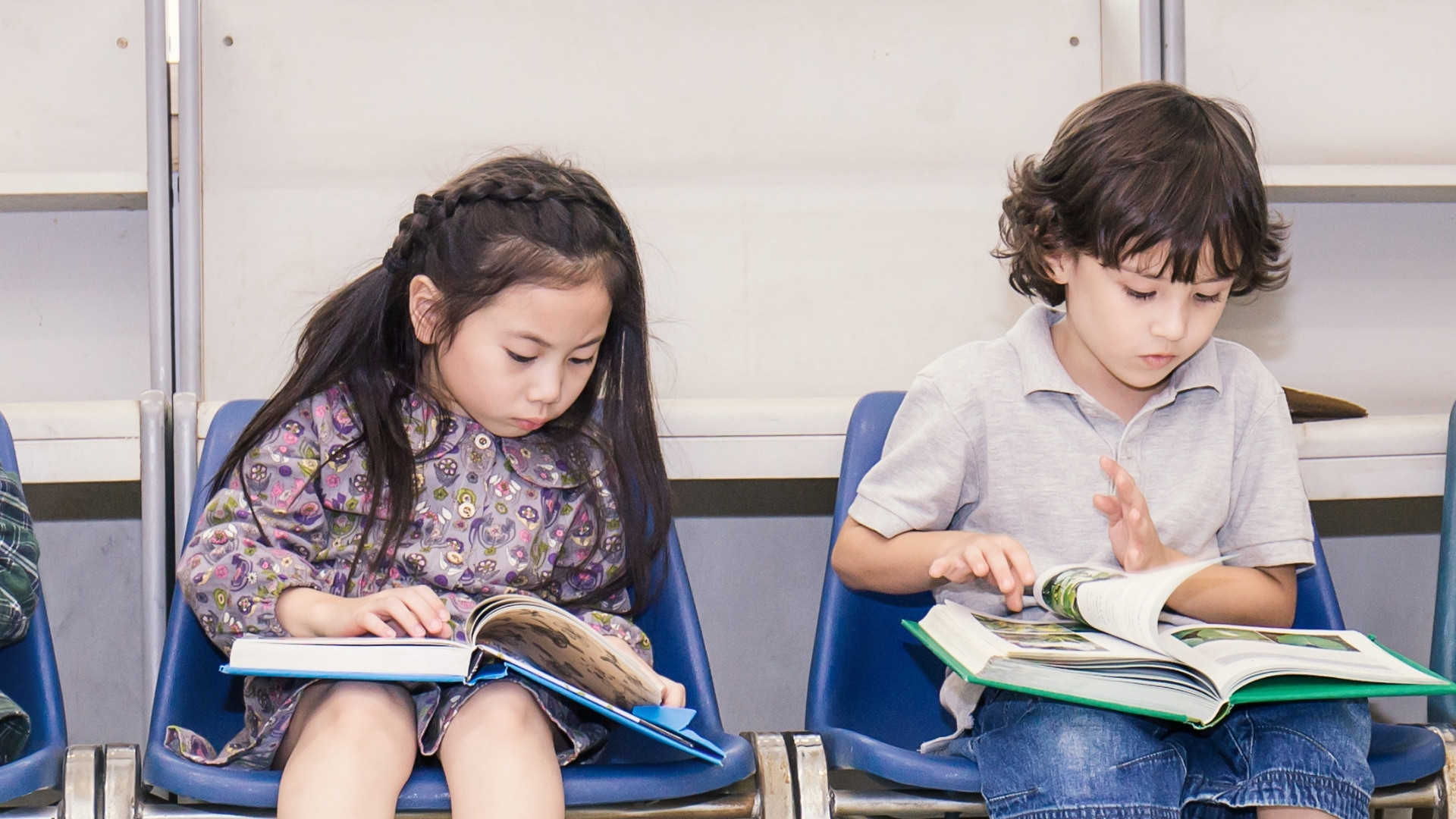
Independent reading not only sharpens the mind but also nurtures emotional growth and social awareness. Children who read regularly gain confidence, learn to understand others better, and discover healthy ways to manage their emotions.
Some of the key emotional and social benefits include:
-
Boosts confidence and achievement: Completing a book independently gives children a sense of accomplishment. Each finished page builds belief in their ability to tackle bigger challenges.
-
Enhances empathy and perspective-taking: Reading about diverse characters exposes children to different cultures, emotions, and life experiences. They begin to see the world through others’ eyes, which fosters kindness and understanding.
-
Encourages self-expression: Exposure to varied stories helps children develop ideas and opinions. This makes them more comfortable sharing thoughts in conversations and group activities.
-
Provides calm, reflective time: Quiet reading moments act as a healthy escape from daily pressures. This reflective space helps reduce stress and improve emotional regulation.
-
Strengthens social connections: Children who enjoy reading often share favorite books with peers or join reading groups, building bonds through shared interests.
Together, these emotional and social benefits help children become not only stronger readers but also more empathetic, confident, and well-rounded individuals.
Also read: Activities for preschoolers ages 3 to 5
Academic Benefits of Independent Reading
Independent reading goes far beyond language growth; it directly supports a child’s performance in school. When children read on their own, they absorb knowledge, sharpen study habits, and develop skills that extend into every subject.
Here’s how independent reading supports academic success:
-
Improves subject performance: Children who read regularly perform better in science, social studies, and even math. Reading helps them understand word problems, follow instructions, and grasp concepts with clarity.
-
Encourages curiosity and lifelong learning: Independent reading builds the habit of asking questions, researching answers, and exploring beyond the classroom. This natural curiosity supports continuous learning.
-
Teaches information processing: Students learn to gather facts, analyze details, and retain information. These skills are essential for preparing notes, studying for exams, and solving complex problems.
-
Strengthens academic independence: Independent readers rely less on teachers for explanations. They gain confidence in tackling new topics on their own, which accelerates their learning pace.
-
Supports stronger writing and communication: Exposure to different writing styles enhances grammar, sentence flow, and expression, leading to better essays, projects, and presentations.
By linking reading to academic growth, independent reading transforms children into self-reliant learners who are better prepared for both school and future challenges.
Benefits of Independent Reading vs Read-Aloud vs Partner Reading

Many parents ask a common question: Should my child focus only on independent reading once they can read on their own? The answer is no. Independent reading is powerful, but it works best when balanced with read-aloud and partner reading. Each approach supports a different part of your child’s growth.
Independent Reading: Building Ownership
-
Children develop focus and confidence when they read alone, without relying on constant guidance.
-
Choosing books themselves gives them a sense of control, which sparks natural curiosity and motivation.
Read-Aloud: Opening Doors to New Ideas
-
Some parents stop reading aloud once their child can manage books alone, but read-aloud remains valuable at any age.
-
Hearing complex words and sentence patterns helps children absorb language they might not attempt independently.
-
Shared story time also creates bonding moments, keeping reading a family activity rather than just a task.
Partner Reading: Strengthening Collaboration
-
Reading with a sibling or peer encourages accountability and fluency. Children often learn by modeling each other’s pace and style.
-
Discussing the story together deepens comprehension and helps them explain ideas in their own words.
Also read: Fun reading group activities for primary classroom
Putting It All Together
-
Independent reading should form the foundation of your child’s routine.
-
Read-aloud adds richness by expanding vocabulary and keeping reading interactive.
-
Partner reading builds social skills and fluency in a supportive way.
Overcoming Common Challenges in Independent Reading

Independent reading is powerful, but it isn’t always smooth. Parents often see roadblocks that make children lose interest or struggle to keep up. Knowing these challenges in advance and having simple ways to handle them can make a big difference.
Challenge 1: My child avoids reading.
-
Many children prefer screens or playtime over books. Instead of forcing, link reading to their interests—if they love animals, choose stories about them.
-
Start small with 10–15 minutes a day. Once reading becomes a routine, children are more likely to continue on their own.

Challenge 2: We don’t have enough books at home.
-
A limited book supply can stop progress. Public libraries, school book fairs, or low-cost e-books are great options.
-
Swapping books with friends or neighbors also keeps choices fresh without added expense.
Also read: Books to enhance children's writing skills
Challenge 3: My child reads but doesn’t understand.
-
Some children rush through words without grasping meaning. After reading, ask them to share what the story was about in their own words.
-
Short discussions like “What part did you like most?” keep them engaged without making reading feel like homework.
Challenge 4: My child can’t sit still with a book.
-
Phones, TV, and toys often break focus. A quiet reading corner helps children stay with the story.
-
Reading at a set time every day before bed or after school also reduces interruptions.
Challenge 5: My child feels reading is too hard.
-
Struggling readers may give up easily. Choosing books slightly below their current level builds confidence first, before moving to harder ones.
-
Celebrating small wins, like finishing a chapter, helps children feel capable and motivated.
Programs like FunFox Readers Club make overcoming these challenges easier by offering level-based materials, guided activities, and interactive support that keep children interested while building steady progress.
Independent reading shapes children into confident learners, sharp thinkers, and empathetic individuals. It supports school performance while also building habits that last beyond the classroom. The long-term value lies in raising readers who are curious, independent, and engaged with the world around them. To help your child build this skill with the right guidance, explore the FunFox Readers Club and start their structured reading journey today.
FAQs
1. My child can read but skips difficult words. Should I correct them every time?
It’s better to let them try first, as constant correction can break focus. If they struggle repeatedly, step in gently and explain the word in context.
2. How can I balance screen time with reading without constant arguments?
Instead of cutting screens completely, set up a daily routine where reading comes before or after limited screen time. This makes reading part of the schedule, not a punishment.
3. Is it okay if my child re-reads the same book multiple times?
Yes, re-reading strengthens comprehension and builds confidence. Children often discover new details with each read, which deepens their understanding of the story.
4. My child prefers being read to instead of reading alone. How can I shift them?
Start by combining the two: read one page aloud and let your child read the next. Gradually increase their share until they feel comfortable leading the story.
5. What can I do if my child loses interest halfway through a book?
It’s natural for some books to feel overwhelming. Encourage them to set the book aside and choose something shorter or more engaging, so reading stays enjoyable instead of forced.