




Introduction
Writing is one of the most powerful skills a child can develop. It sparks creativity, builds confidence, and helps them express what’s inside their curious minds. But for many parents, the question is: how do I actually help my child start writing?
If your child feels stuck at the first sentence, or you’re unsure how to guide them without turning writing into a chore, don’t worry, you’re not alone. Getting started writing can be tricky, even for adults!
In this guide, we’ll explore practical, enjoyable steps to help children begin their writing journey with confidence. Whether your child is in Year 2 or Year 6, these strategies will make writing less about pressure and more about discovery.
Quick Overview
-
Start small and make writing feel fun, not formal.
-
Build confidence before focusing on grammar.
-
Read regularly to inspire creative ideas.
-
Keep a routine and celebrate progress.
-
Join the FunFox Writers Club for expert, engaging guidance.
Why Writing Matters So Much for Kids?
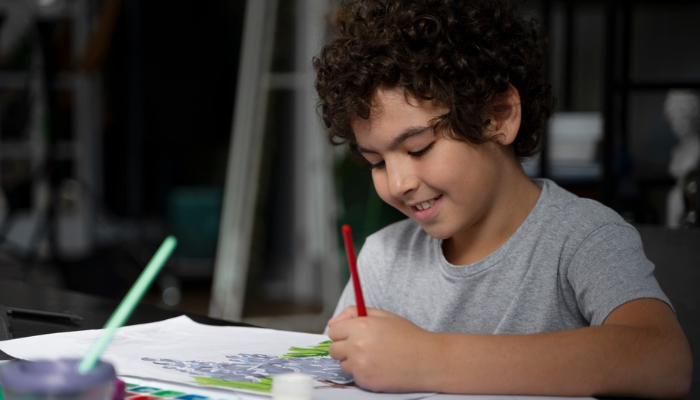
Before we dive into how to get started writing, it’s worth understanding why it’s such an important skill especially in primary school.
Writing does more than fill up a page. It helps children:
-
Think critically - turning ideas into structured thoughts.
-
Communicate clearly - using the right words for the right audience.
-
Boost creativity - turning imagination into stories, letters, and reflections.
-
Build academic confidence - because strong writing supports every subject, from English to Science.
In short, writing is a lifelong tool. When children learn to express themselves clearly, they gain a voice, and that voice empowers them both in school and beyond.
Now that we know why writing is such an important skill for growing minds, let’s look at how to make it fun and approachable, because the best way to start writing is to enjoy it!
Also read - Fun Ways to Teach Writing Numbers in Kindergarten
Step 1: Make Writing Feel Like Play, Not Pressure
Children learn best when they’re having fun. Before you even think about spelling, grammar, or sentence structure, focus on building a positive relationship with words.
Here’s how:
-
Turn daily moments into stories: Ask your child to describe their day like a movie plot or a comic strip.
-
Create word games: Try “word of the day” challenges, silly rhymes, or fill-in-the-blank stories.
-
Encourage doodle-writing: Let them mix drawings with words; it’s a creative bridge to storytelling.
Pro Tip: In FunFox’s Writers Club, we use playful prompts and visual aids to make writing exciting and interactive. Kids don’t just learn the rules; they learn to love the process.
Step 2: Start Small - A Sentence Is a Great Start
Many children feel overwhelmed by the idea of writing a “story.” But starting small builds confidence.
Instead of aiming for paragraphs, focus on:
-
One descriptive sentence each day.
-
Short daily journal entries.
-
Tiny story starters - even two lines can grow into a bigger piece later.
For example:
“The puppy rolled in the mud and looked like a chocolate doughnut.”
That one line teaches creativity, description, and humour - all without pressure. Once your child realises writing can be quick and fun, they’ll naturally want to do more.



Step 3: Read to Write Better

Reading and writing go hand in hand. When children read regularly, they absorb vocabulary, sentence rhythm, and storytelling techniques without even realising it.
Here’s how to build the reading-writing connection:
-
Read aloud daily even short stories or picture books.
-
Ask questions like, “Why do you think the author wrote this?” or “What would you do if you were the main character?”
-
Encourage them to rewrite the story’s ending or create a new character.
Step 4: Build Confidence Before Correctness
It’s easy to focus on fixing spelling and punctuation, but too much correction early on can discourage children. The goal at the beginning is to build confidence, not perfection.
Here’s what to do instead:
-
Celebrate effort: “I love your idea!” or “That’s such a funny line!”
-
Encourage them to read their writing aloud. Hearing their own words helps them self-correct naturally.
-
Keep early drafts unedited - treat them as “creative zones” where mistakes are okay.
Remember, every great writer starts with messy drafts. Confidence comes first, and the skills follow.
Step 5: Find Inspiration Everywhere
A big part of getting started writing is simply having something to say. Children need inspiration and it’s often hiding in plain sight.
Try these everyday prompts:
-
What made you laugh today?
-
If your pet could talk, what would it say?
-
Imagine a day when everything is made of chocolate.
-
Write a letter to your future self.
You can even create a “prompt jar”, fill it with slips of paper, each containing a fun idea. When your child feels stuck, they can pull one out and start writing immediately.
Step 6: Set Up a Creative Writing Space
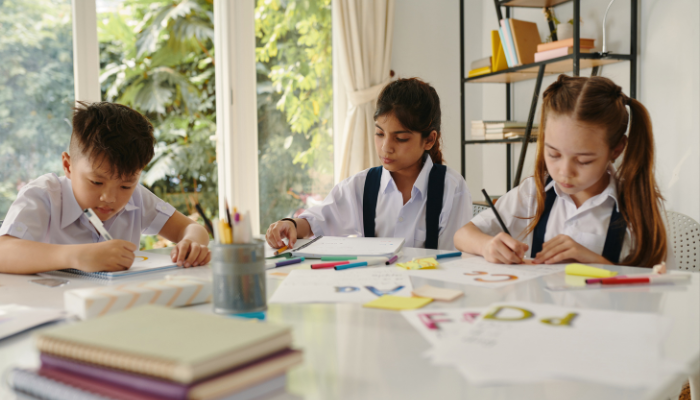
Children thrive in a space that feels special. It doesn’t have to be fancy, just a spot that signals, “This is where I write.”
Tips for creating a writing nook:
-
Keep writing tools handy: notebooks, pencils, coloured pens.
-
Display their writing proudly (on the fridge, a corkboard, or a digital portfolio).
-
Avoid distractions; a calm space helps creativity flow.
When children have a physical place to write, it strengthens the habit and turns writing into a routine.
Step 7: Keep It Consistent
Like any skill, writing grows through practice. The key isn’t writing a lot all at once, it’s writing a little often.
Encourage short, regular sessions:
-
5–10 minutes a day or a few times a week.
-
Weekly writing themes: “Magic Mondays,” “Travel Tuesdays,” etc.
-
Family writing time: Everyone writes together, parents included!
This steady rhythm makes writing second nature, not a one-off activity.
Step 8: Teach the Basics Gently
Once your child feels comfortable expressing ideas, you can slowly introduce structure.
Start with:
-
Sentences: What makes a sentence complete?
-
Paragraphs: How do we group related ideas?
-
Story structure: Beginning, middle, end.
Use examples from books they already love. Ask, “How did the author start this story?” or “What problem does the character solve?”
Step 9: Make Feedback Fun and Positive

Feedback doesn’t have to mean red marks. In fact, positive, constructive feedback encourages children to keep going.
Try these parent-friendly feedback ideas:
-
Use stickers or smiley faces for effort.
-
Give one small improvement point (e.g., “Can you add more describing words here?”).
-
Ask reflective questions like, “What’s your favourite part of your story?”
When children feel their work is appreciated, they write with pride.
Step 10: Use Technology Wisely
Digital tools can make getting started writing easier if used thoughtfully.
Here are a few ways to blend writing with tech:
-
Use online story builders or creative writing apps.
-
Type stories and illustrate them with simple graphics.
-
Join guided online writing programs like FunFox’s Writers Club, where children get real-time teacher feedback in small, interactive groups.
Technology can turn writing into a dynamic, multi-sensory experience especially for visual learners.
Also read - A Step-by-Step Guide to Guided Writing in Kindergarten
Bonus Tip: Be a Writing Role Model
Children copy what they see. When they see parents and teachers writing, journaling, or even making lists, they learn that writing is part of daily life.
Ways to model writing:
-
Write notes or letters together.
-
Keep a family gratitude journal.
-
Share your own stories or memories.
Showing enthusiasm for writing is the best encouragement your child could get.
How the FunFox Way Helps Kids Get Started Writing?

At FunFox, we believe that every child has a story waiting to be told they just need the right guidance and encouragement to bring it to life.
Our Writers Club (Grades 2–6) is designed to make getting started writing simple, structured, and fun.
Here’s what makes our approach different:
-
Small-group classes: Students learn in interactive groups of 3–6, ensuring personal attention.
-
Australian curriculum alignment: Our lessons build the exact skills needed for school success.
-
Experienced teachers: Each class is led by trained educators who specialise in primary writing.
-
Confidence-first learning: We focus on celebrating creativity before correcting mistakes.
-
The FunFox Way: Every lesson includes activities, storytelling, and real-world writing themes to keep children engaged.
From first sentences to full stories, FunFox helps young writers build both skill and joy in writing one word at a time.

Every Writer Starts Somewhere!
Whether your child is writing their first sentence or their first story, remember every great writer began with a blank page and a little imagination.
Getting started writing isn’t about perfection. It’s about building confidence, finding joy, and developing a voice. With the right support and encouragement, your child can discover that writing isn’t just an academic skill; it’s a form of self-expression and storytelling that lasts a lifetime.
Turn blank pages into bold ideas with FunFox’s Writers Club, a creative, confidence-boosting program for students in Grades 2-6.
Small groups, expert teachers, and fun-filled lessons make writing something your child will love!
FAQs
1. My child says they “don’t like writing.” How can I change that?
Start with topics they do love pets, video games, superheroes, food, or family stories. Children are more motivated when writing feels personal. Once they realise writing can reflect their interests, the reluctance fades.
2. How do I know what writing level my child should be at?
Look for clues in their reading habits and schoolwork. If they’re reading short stories confidently, they can usually start writing simple paragraphs. The FunFox Writers Club also offers level-based classes, so your child always learns at a comfortable pace.
3. Should I correct every mistake my child makes?
Not at all! Over-correcting early drafts can stifle creativity. Save detailed corrections for final edits. In the early stages, focus on praising ideas, imagination, and effort.
4. How can I encourage my child to write more often?
Turn writing into a family activity. Write together, start a shared story journal, or hold a “story night” where everyone reads something they’ve written. Kids are more consistent when writing feels social.
5. Is handwriting still important when kids mostly type?
Yes handwriting supports memory, focus, and motor skills. Let your child switch between both. Writing by hand helps ideas flow naturally, while typing builds digital fluency.
6. What if English isn’t our first language?
That’s perfectly okay! Writing in English can actually strengthen bilingual skills. FunFox’s small-group classes are designed to support diverse learners and help them build both confidence and fluency in writing.