




Reading fluency plays a major role in how well children understand what they read, especially in third grade. At this stage, students are expected to move from “learning to read” to “reading to learn.” Studies consistently show that children who read more fluently tend to have stronger comprehension and perform better across subjects because they can focus on meaning rather than struggling with each word.
Yet many students still find fluency challenging, which can affect both confidence and academic progress. That’s why using 3rd grade reading passages for fluency practice can make things easy.
In this guide, we explore how fluency passages support third graders, how to use them effectively, and how families can support progress at home.
Key Takeaways
-
3rd-grade reading passages for fluency help children move from “learning to read” to “reading to learn.”
-
Fluency improves when children practice short passages regularly with calm, repeated reading.
-
Strong fluency sounds smooth, expressive, and shows a clear understanding of the text.
-
The best practice includes modeling fluent reading, gentle feedback, and checking comprehension.
-
Different passage types (stories, poems, non-fiction, dialogue) support different reading skills.
-
Common fluency struggles in Grade 3 are normal and improve with time and consistency.
-
Small-group support, like FunFox Readers Club, helps children build confidence and steady progress.
What Are 3rd Grade Reading Fluency Passages?
3rd-grade reading fluency passages are short, level-appropriate texts designed to help children practice reading smoothly, accurately, and with expression. They are commonly used by teachers, parents, and tutors to support students as they transition from decoding individual words to reading with greater ease and understanding.
These passages are not just “practice texts.” They are carefully written to match a third grader’s reading level and to build the skills needed for stronger comprehension.
Key features of 3rd grade reading passages for fluency practice
-
Short, manageable length: Passages are usually one paragraph to one page long, so children can practice without feeling overwhelmed.
-
Grade-appropriate vocabulary: Words are chosen to stretch learning while still being accessible for most third graders.
-
Opportunities for repeated reading: The same passage can be read multiple times to help improve speed, accuracy, and confidence.
-
Built-in comprehension focus: Many passages include questions or discussion prompts to ensure children understand what they read.
-
Supports accuracy and expression: Children practice reading with natural phrasing and tone, not just faster reading.
-
Useful for progress tracking: Adults can listen to reading over time and notice improvements in smoothness, accuracy, and confidence.
When used regularly in a calm, supportive way, fluency passages help children move toward more confident, independent reading.
Also Read: Reading Fluency Tips and Resources for Educators
What Good Fluency Sounds Like in 3rd Grade?
By third grade, children are moving from “learning to read” toward “reading to learn.” Good fluency at this stage does not mean racing through a text. It means reading in a way that sounds natural, shows understanding, and allows the child to focus on meaning rather than on decoding every word.
Common signs of strong fluency in 3rd grade
-
Reads smoothly with fewer pauses: The child no longer stops at every word and can read most sentences in a continuous flow.
-
Uses appropriate pace: Reading is not rushed, but it is steady and comfortable, allowing the listener to easily follow along.
-
Reads with expression (prosody): Voice changes with punctuation, emotion, and dialogue, showing understanding of the text.
-
Recognizes many words automatically: High-frequency words and common patterns are read without needing to sound them out each time.
-
Pauses naturally at punctuation: The child stops at full stops, pauses at commas, and changes tone for questions.
-
Self-corrects when something sounds wrong: Fluent readers often notice mistakes and fix them independently.
-
Understands what they read: After reading, the child can retell key events, explain ideas, or answer questions about the passage.
These are the qualities adults listen for when using 3rd grade reading passages for fluency practice at home or in the classroom.
How to Use 3rd Grade Reading Fluency Passages Effectively

Using 3rd-grade reading passages for fluency works best when the goal is to build confidence, smoothness, and understanding, not just speed. A calm, consistent routine makes the biggest difference.
Here is a clear step-by-step approach you can follow at home or in the classroom:



Step 1: Choose a passage at the right level
Select a passage that feels slightly challenging but not overwhelming. The child should recognize many words but still have a few opportunities to practice new ones.
Step 2: Begin with a relaxed first read
Ask the child to read the passage once without interruption. This helps them get familiar with the text and gives you a sense of their natural pace.
Step 3: Model fluent reading
Read the same passage aloud with expression. Hearing smooth, expressive reading helps children understand what fluency should sound like.
Step 4: Use repeated reading across the week
Have the child reread the same passage two or three times on different days. This repetition naturally improves accuracy, confidence, and flow.
Step 5: Encourage expression and phrasing
Guide the child to notice punctuation, pause at commas, and change their voice for questions or excitement. Fluency is about sounding like real speech, not rushing.
Step 6: Offer gentle, specific feedback
Use encouraging prompts such as “Let’s try that sentence smoothly again” or “I like how you read that part with feeling.” This supports growth without pressure.
Step 7: Check understanding after reading
Ask simple questions like “What happened in this passage?” or “Why did the character feel that way?” to make sure comprehension grows alongside fluency.
Step 8: Keep practice short and consistent
Ten to fifteen minutes a day is usually enough. Regular, low-pressure practice is far more effective than long, occasional sessions.
When used this way, 3rd-grade reading passages for fluency become a powerful tool for building smoother reading, stronger confidence, and deeper understanding over time.
Suggested read: Best Lesson Plan for Reading Fluency | Build Confident Young Readers
10 Free 3rd Grade Reading Fluency Passages (Examples You Can Use)

Fluency passages work best when they are short, engaging, and matched to a child’s level. Below are example-style fluency passage ideas (similar to what you’d find on popular literacy sites) that families and teachers can use to guide practice. Each type supports different reading skills while keeping practice interesting.
These examples show the style and structure you can look for when choosing or creating 3rd grade reading passages for fluency practice.
1. The Curious Cat (Short Fiction Story)
A short narrative passage about a curious cat who explores the neighborhood, encounters small challenges, and learns a lesson.
How it works: Children reread the story across several days, becoming more familiar with the vocabulary and sentence patterns. Each rereading sounds smoother.
Skills supported:
-
Reading with expression
-
Story sequencing (beginning–middle–end)
-
Automatic word recognition
-
Confidence in oral reading
Example idea: “A small grey cat named Milo tiptoed through the garden. He heard a soft rustling sound behind the bushes and froze…”
2. Why Do Leaves Change Color? (Non-Fiction Science Passage)
A short informational passage that explains a simple science concept using child-friendly language.
How it works: Students practice fluency while also learning to read informational text, which often uses different vocabulary and sentence structures than stories.
Skills supported:
-
Reading non-fiction fluently
-
Vocabulary in context
-
Slower, thoughtful pacing for meaning
-
Comprehension of key facts
Example idea: “In autumn, leaves change from green to yellow, orange, and red. This happens because trees stop making chlorophyll…”
3. My Favorite Season (Personal Narrative)
A first-person paragraph where a child describes their favorite season and explains why.
How it works: Because it sounds like real speech, this type of passage supports natural phrasing and conversational rhythm.
Skills supported:
-
Natural pacing
-
Expression and tone
-
Understanding point of view
-
Retelling and summarising
Example idea: “My favorite season is winter because I love building snowmen with my brother and drinking hot chocolate after school…”
4. The Lost Puppy (Dialogue-Rich Story)
A short story that includes frequent dialogue between characters.
How it works: Dialogue encourages children to change their voice, pause correctly at punctuation, and read with feeling.
Skills supported:
-
Prosody (expression)
-
Reading punctuation correctly
-
Fluency with quotation marks
-
Confidence in oral reading
Example idea: “‘Where did you go?’ called Emma. ‘I was right here!’ barked the puppy, wagging his tail.”
5. Fun Animal Facts (High-Interest Informational Passage)
A short paragraph packed with engaging facts about animals.
How it works: High-interest topics motivate reluctant readers and encourage repeated practice.
Skills supported:
-
Reading stamina
-
Word recognition
-
Fluency with longer sentences
-
Engagement and motivation
Example idea: “Octopuses have three hearts. They can also change color to hide from predators in the ocean.”
6. The Rainy Day Poem (Poetry Passage)
A short poem designed for rereading aloud.
How it works: Poetry naturally supports rhythm, phrasing, and expressive reading. Children enjoy performing it.
Skills supported:
-
Rhythm and pacing
-
Expression
-
Confidence reading aloud
-
Listening for sound patterns
Example idea: “Drip, drop, splash below, Puddles where the raindrops go…”
7. A Day in the Life of a Firefighter (Career-Based Non-Fiction)
A short passage describing what firefighters do in their daily work.
How it works: Children practice fluency while expanding background knowledge about real-world topics.
Skills supported:
-
Reading informational text
-
Vocabulary development
-
Sustained attention
-
Comprehension
Example idea: “Firefighters wake up early at the station. They check their equipment, practice drills, and wait for emergency calls…”
8. The Mystery Box (Inference & Prediction Passage)
A short story designed to spark curiosity and questions.
How it works: Students reread to improve fluency while also thinking about clues and predicting outcomes.
Skills supported:
-
Inference
-
Comprehension
-
Expressive reading
-
Engagement with text
Example idea: “Lena opened the attic door and noticed a dusty box in the corner. Something inside began to rattle…”
9. How to Make a Sandwich (Procedural Text)
A step-by-step instructional passage.
How it works: Procedural text teaches children to read carefully, notice sequence words, and maintain steady pacing.
Skills supported:
-
Accuracy
-
Fluency with sequence language
-
Comprehension of instructions
-
Focus and attention
Example idea: “First, place two slices of bread on a plate. Next, spread peanut butter on one side…”
10. My Best Friend (Descriptive Writing Passage)
A descriptive paragraph about a best friend’s personality and habits.
How it works: Emotionally relatable texts often improve engagement and expression.
Skills supported:
-
Expressive reading
-
Emotional connection to text
-
Comprehension
-
Vocabulary development
Example idea: “My best friend Ava is kind and funny. She always helps me when I feel nervous at school…”
When fluency practice feels meaningful and enjoyable, children are far more likely to stay engaged, build confidence, and develop the smooth, expressive reading skills they need for long-term academic success.
Common Challenges With Fluency in Grade 3 (And Why They Are Normal)
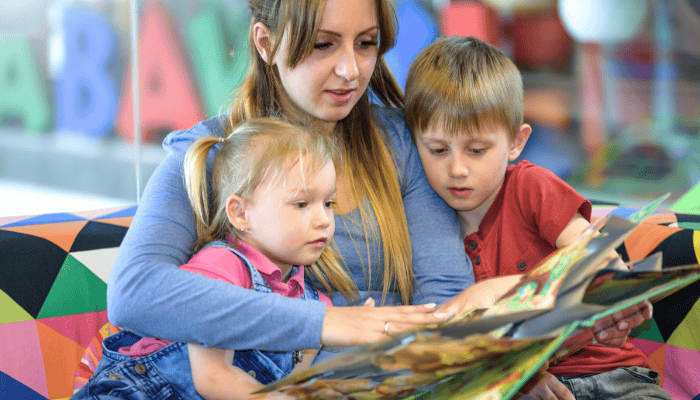
Grade 3 is a transition year in reading. Children are moving from sounding out words toward reading longer texts with meaning, and it is completely normal for fluency to feel uneven during this stage. Many children are still strengthening decoding skills, adjusting to more complex vocabulary, and learning how to manage longer passages. These challenges are not signs of failure. They are part of healthy reading development.
Common fluency challenges in Grade 3:
-
Reading word by word rather than in phrases: Some children still pause between many words because decoding is not yet automatic.
-
Slow reading pace: A slower pace often reflects careful effort and growing skill rather than a lack of ability.
-
Limited expression when reading aloud: Children may sound flat or robotic while they are still focused on accuracy.
-
Difficulty with longer or unfamiliar words: Multisyllabic words can interrupt fluency even when overall reading is improving.
-
Frequent mispronunciations: Errors are common as children practice applying phonics rules to new words.
-
Losing place on the page: Tracking longer passages is still developing and improves with practice.
-
Avoidance of reading aloud: Some children feel self-conscious or unsure, especially if they compare themselves to peers.
With consistent practice, supportive guidance, and exposure to appropriate 3rd-grade reading passages for fluency, most children gradually move through these challenges and develop smoother, more confident reading.

How FunFox Readers Club Supports 3rd Grade Reading Fluency
By third grade, many children are expected to read more independently, yet some still need structured guidance to build smoother fluency and stronger comprehension. FunFox Readers Club supports developing readers in a way that feels encouraging, engaging, and confidence-building rather than pressured.
-
Small-group sessions with personalized attention: Students learn in small groups so teachers can listen closely to each child’s reading, notice patterns of difficulty, and offer targeted support in real time.
-
Explicit focus on fluency and comprehension skills: Lessons strengthen accuracy, pacing, expression, vocabulary, and understanding, helping students move beyond word-by-word reading toward confident, meaningful fluency.
-
Guided oral reading with supportive feedback: Children regularly read aloud during sessions and receive gentle feedback that helps them improve without feeling criticized or embarrassed.
-
Use of engaging fluency passages across genres: Students practice with both fiction and non-fiction passages so they learn to adjust their reading style depending on the text.
-
Consistent routine that builds lasting progress: Ongoing sessions support steady improvement in fluency, stronger reading stamina, and greater confidence when reading independently.
With FunFox, many students begin to read more smoothly, understand texts more deeply, and feel more confident participating in classroom reading. Book a free trial class today and support your child’s journey toward stronger reading fluency.
Final Thoughts
Reading fluency in third grade develops through steady practice, patience, and encouragement. Children do not need pressure to read faster; they need opportunities to read often, hear good models of fluent reading, and feel safe to practice aloud. With the right passages, supportive routines, and gentle feedback, fluency grows naturally over time.
If your child is finding reading aloud challenging or lacks confidence with longer texts, additional guidance can make a meaningful difference. FunFox Readers Club offers small-group, teacher-led sessions designed to strengthen fluency, comprehension, and confidence in a calm, supportive environment. Book a free trial class today and help your child grow into a stronger, more confident reader.
FAQs
1. What are 3rd-grade reading fluency passages?
3rd-grade reading fluency passages are short, level-appropriate texts designed to help children practice reading smoothly, accurately, and with expression. They are commonly used for repeated reading and guided fluency practice.
2. How often should my child practice fluency passages?
Short, regular practice works best. Around 10–15 minutes a day, several times a week, can lead to steady improvement without causing fatigue or frustration.
3. Should my child reread the same passage more than once?
Yes. Repeated reading is one of the most effective ways to build fluency. Each reread helps improve accuracy, pace, and confidence.
4. What if my child reads slowly but understands the text?
Slow reading can be completely normal, especially with more challenging texts. Comprehension is more important than speed, and fluency often improves naturally with consistent practice.
5. Can fluency passages help with comprehension, too?
Yes. When used well, fluency passages support comprehension by helping children focus less on decoding and more on understanding the meaning of what they read.
6. How does FunFox Readers Club support fluency development?
FunFox supports fluency through small-group guided reading, use of engaging passages, teacher modeling, and gentle feedback that builds both skill and confidence.